MUS
Illustration/ Print
Duration
2.5 Months
Software
Adobe Illustrator
Procreate
Summary
Brief
This project was an opportunity to identify gaps in my skillset and develop a self-directed brief focused on strengthening my portfolio for industry. With complete creative freedom, I set out to explore new ideas, tools, and processes, pushing myself beyond familiar approaches. The aim was to take creative risks, expand my expertise as a well-rounded designer, and produce a unique outcome that reflects both growth and direction within my practice.
Aim
To explore new ideas, tools, and processes through a self-directed project designed to push my creative practice forward.
Deliverables
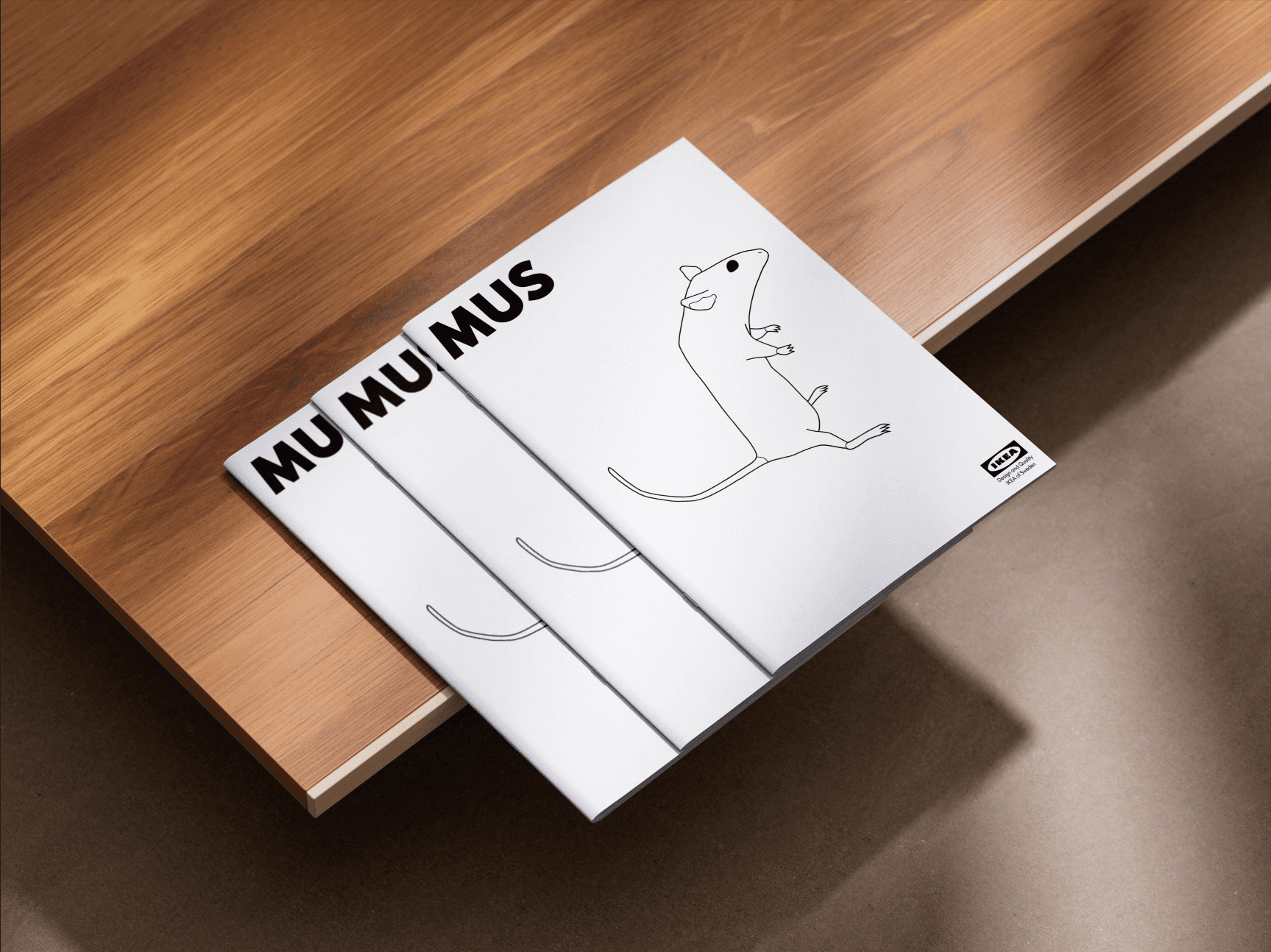
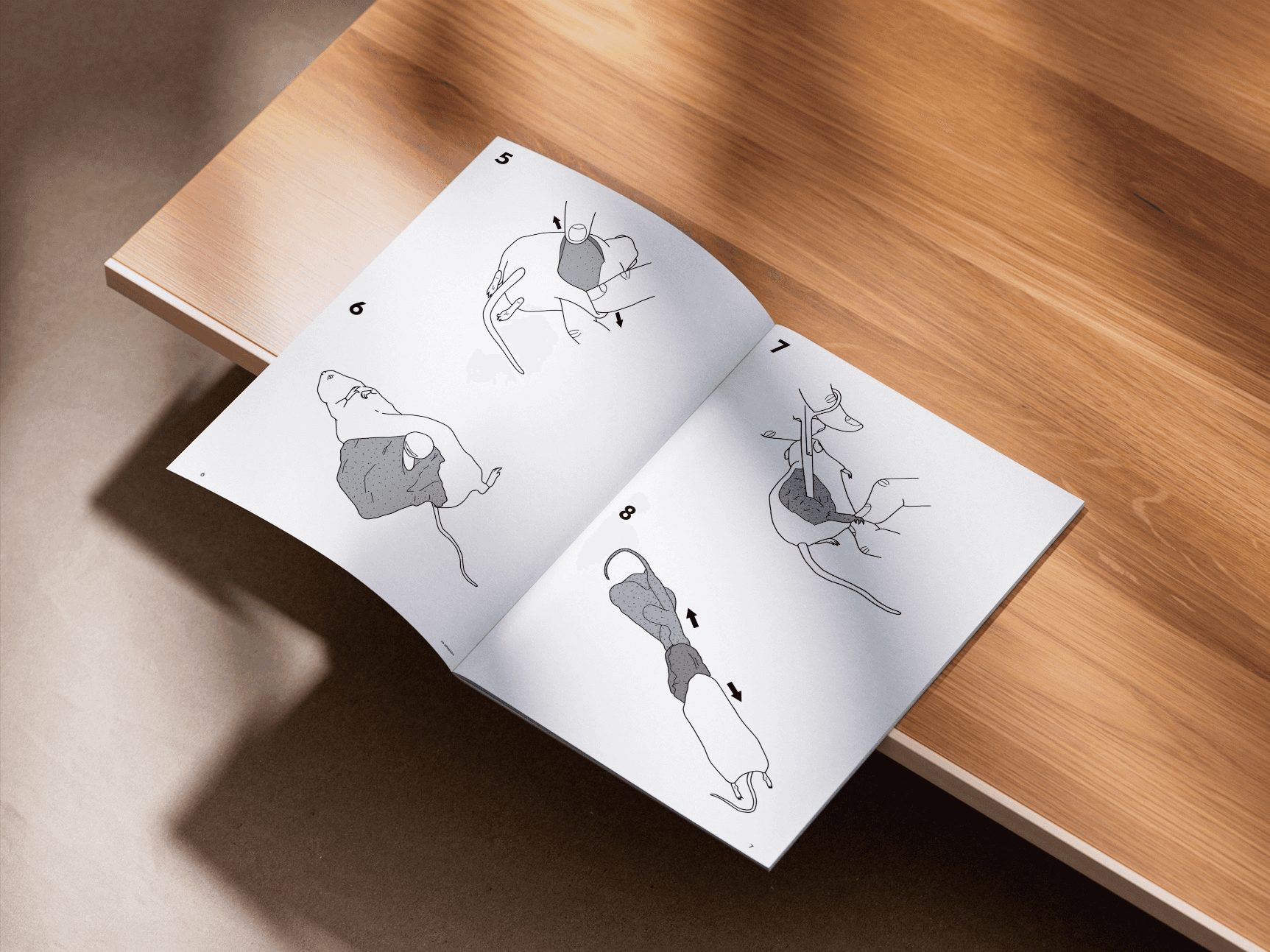
An IKEA style manual
Understand 🡢 Research 🡢 Ideate 🡢 Design 🡢 Deliver
Process
Understand
The problem…
Starting from scratch on such an open brief can be overwhelming. I am a creative person generally, experimenting with design, 3D & 2D media, so choosing a specific skill to develop was challenging.
The constraints…
Analysis paralysis:
No 'problem' was provided. Without clear constraints, it can be difficult to define the projects focus and decide which ideas are appropriate.
Institutional constraints:
Promoting harmful material was not allowed.
Research
At the start of the project, I focused on developing a strong concept rather than a specific technical skill.
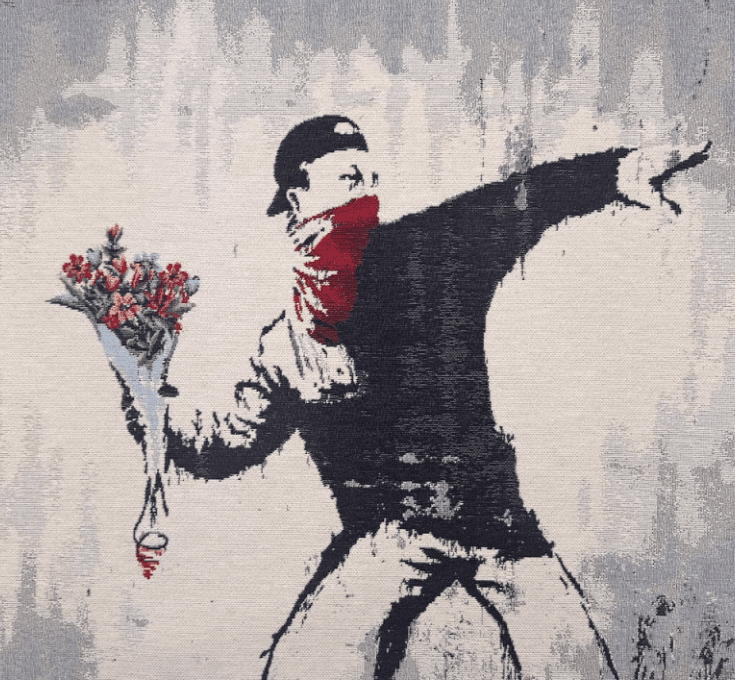
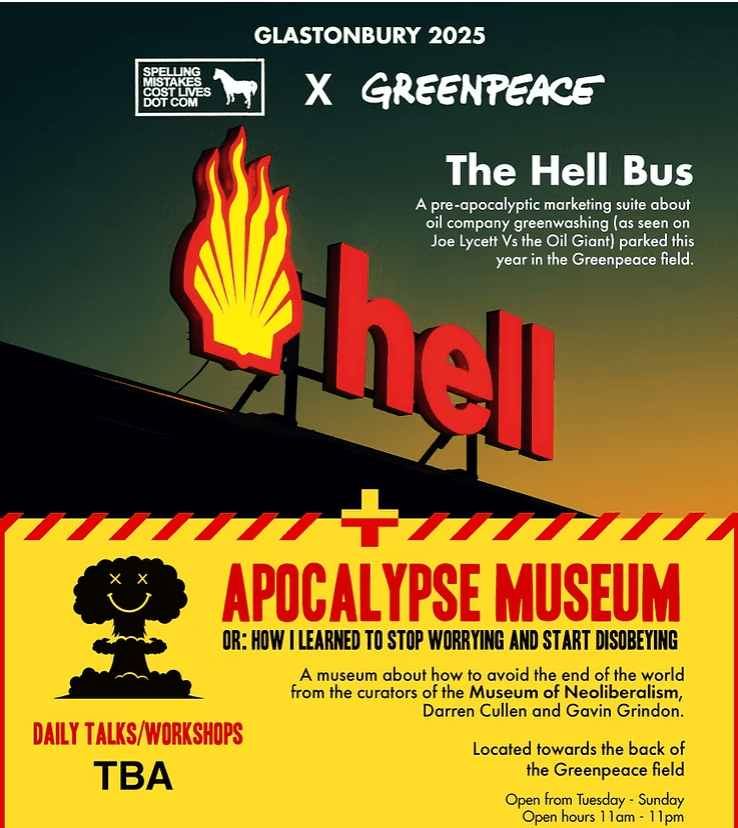
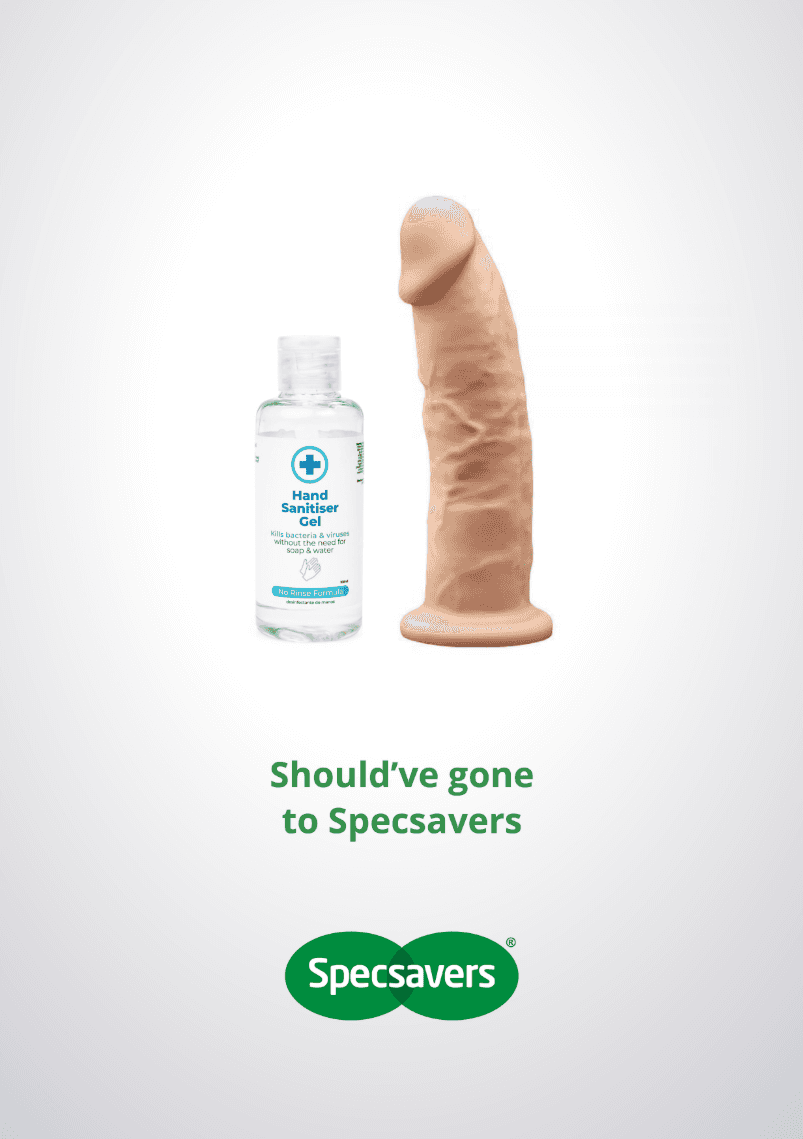
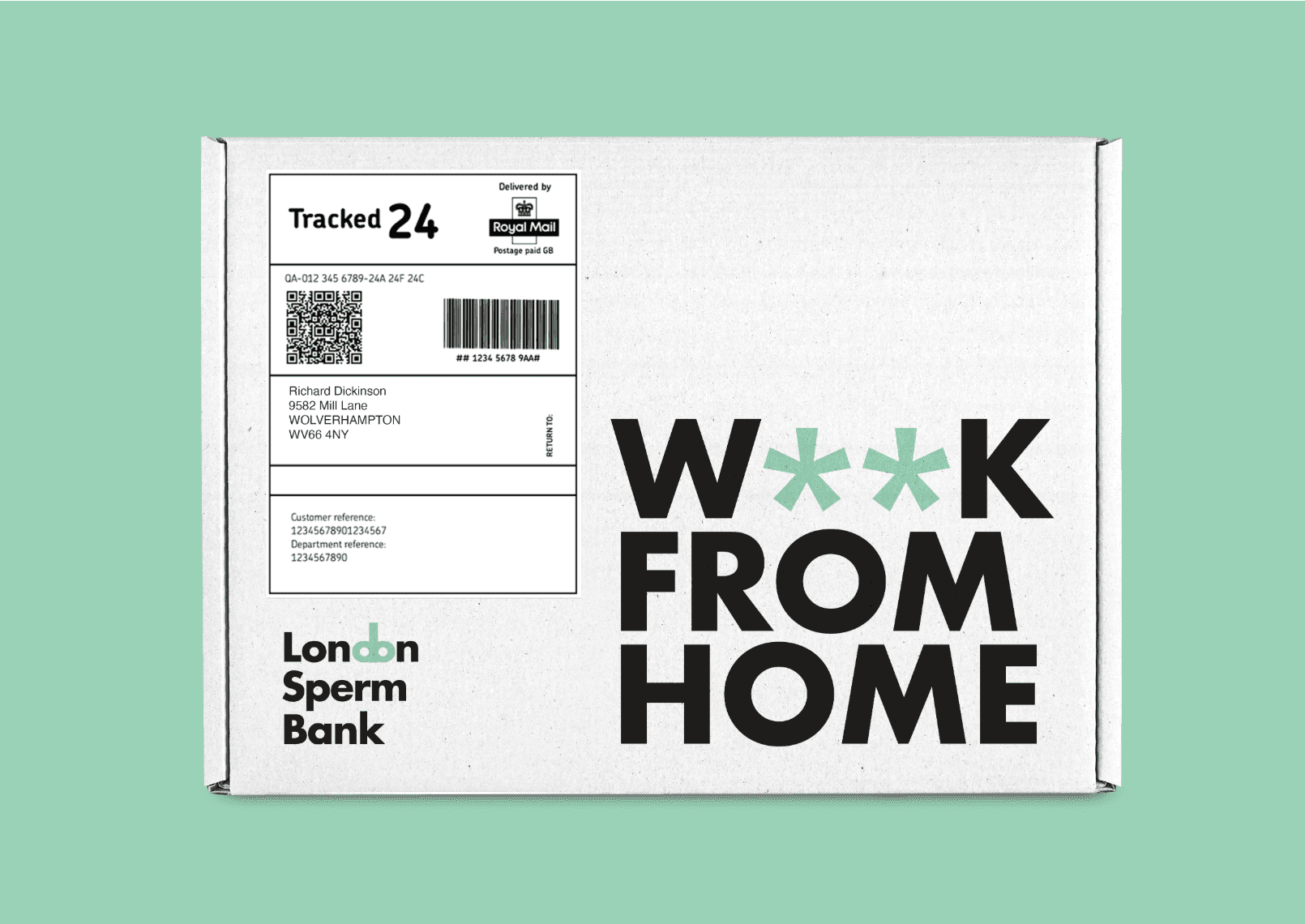
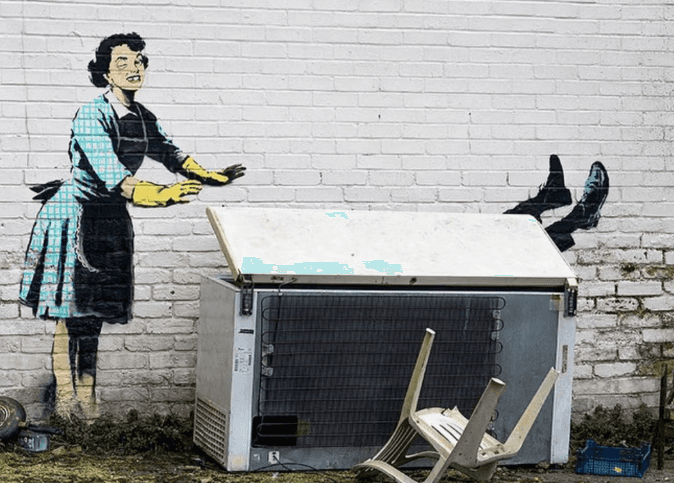
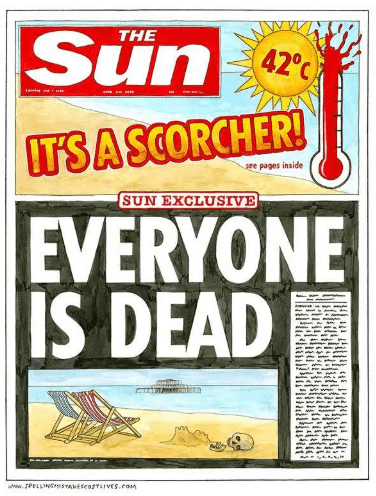
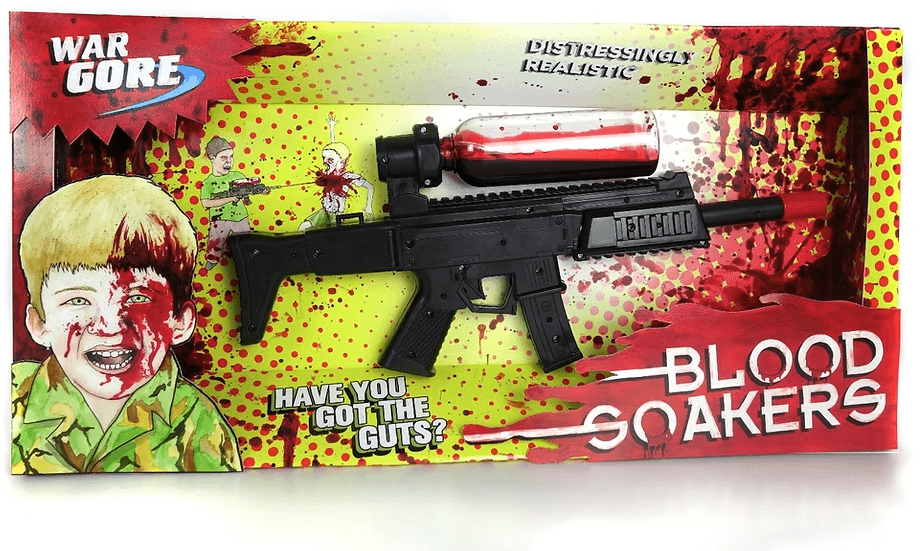
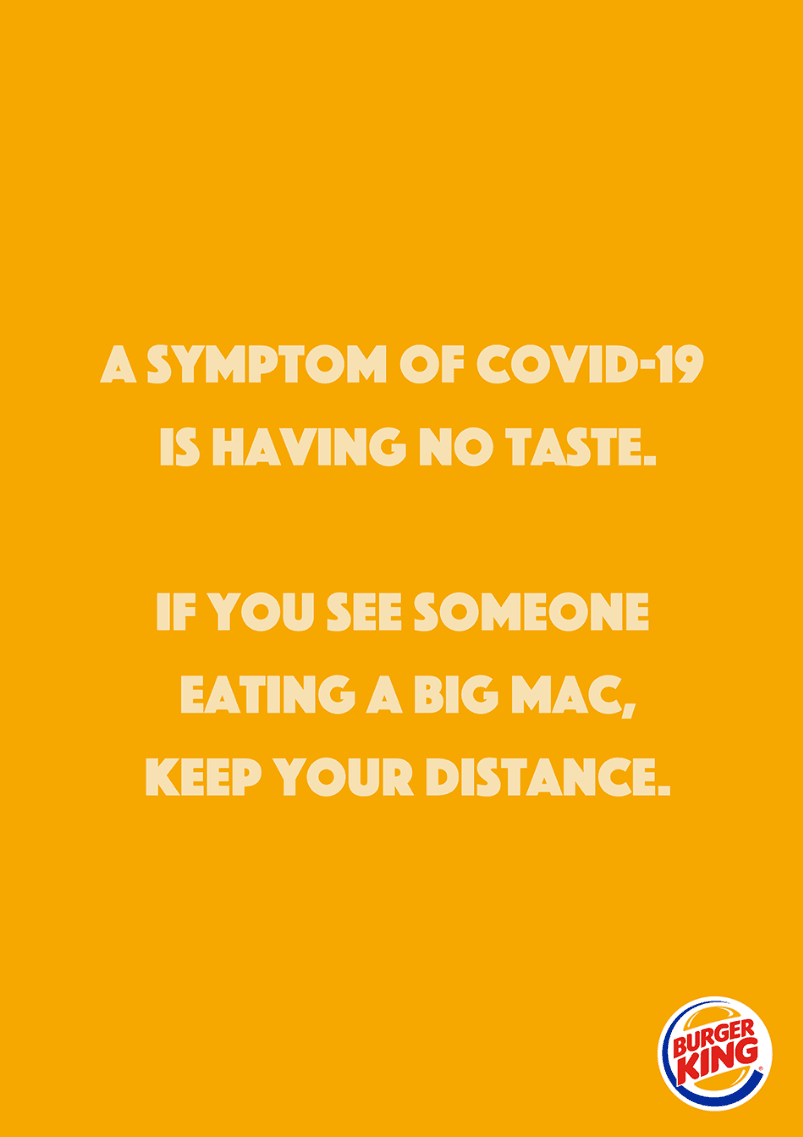
I researched provocative, concept-led work including Spelling Mistakes Cost Lives and the work of Banksy to understand how bold messaging captures attention.
Much of this research was political, which I wanted to avoid. I then explored more humorous work such as The Drum Chip Shop Awards and sabbatical humour works.
From this research, brand hijacking emerged as the most relevant direction to develop.
Ideate
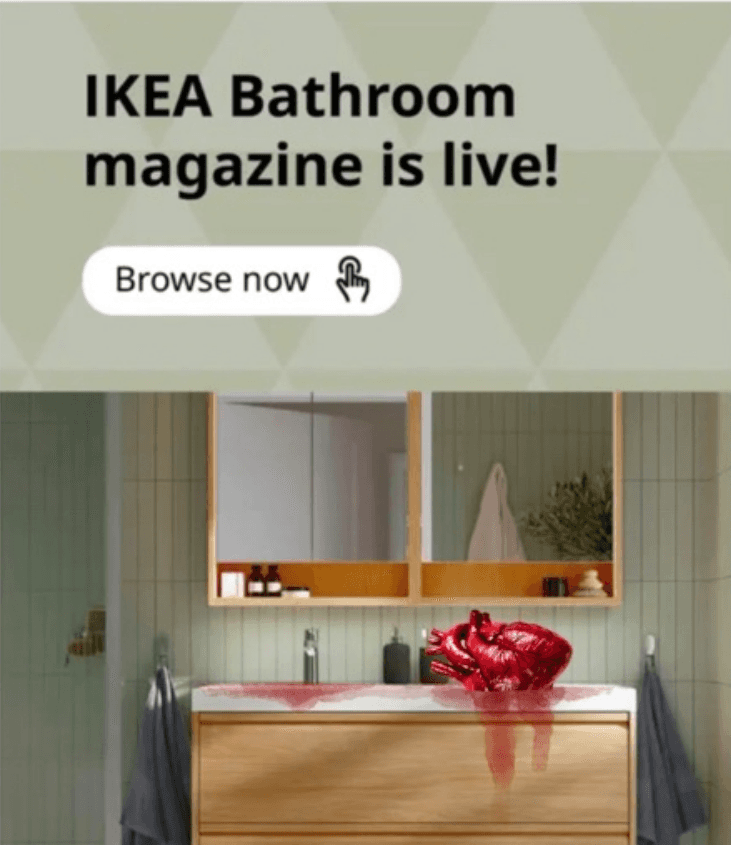
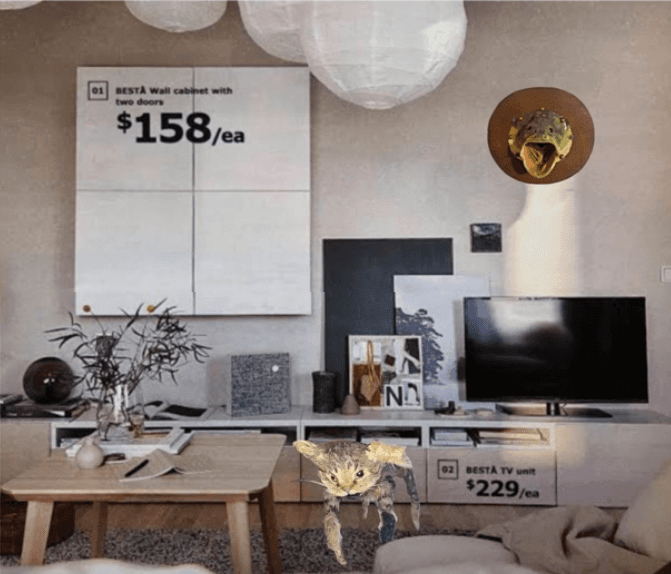
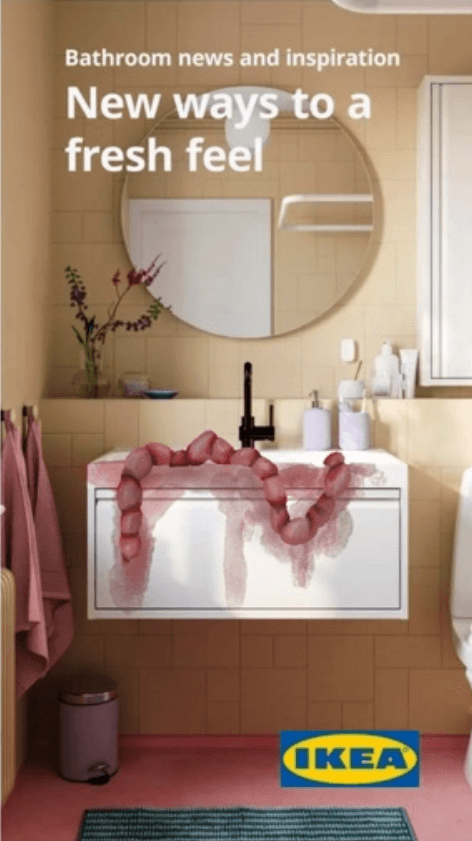
I explored hijacking a recognisable brand to create a shocking campaign.
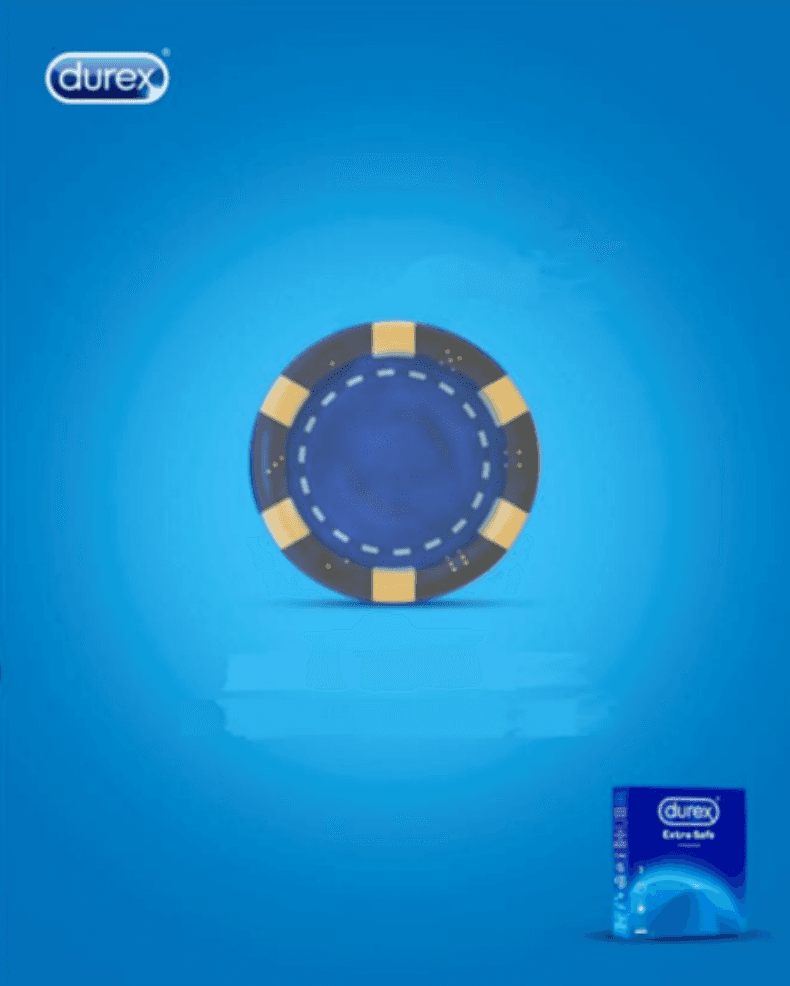
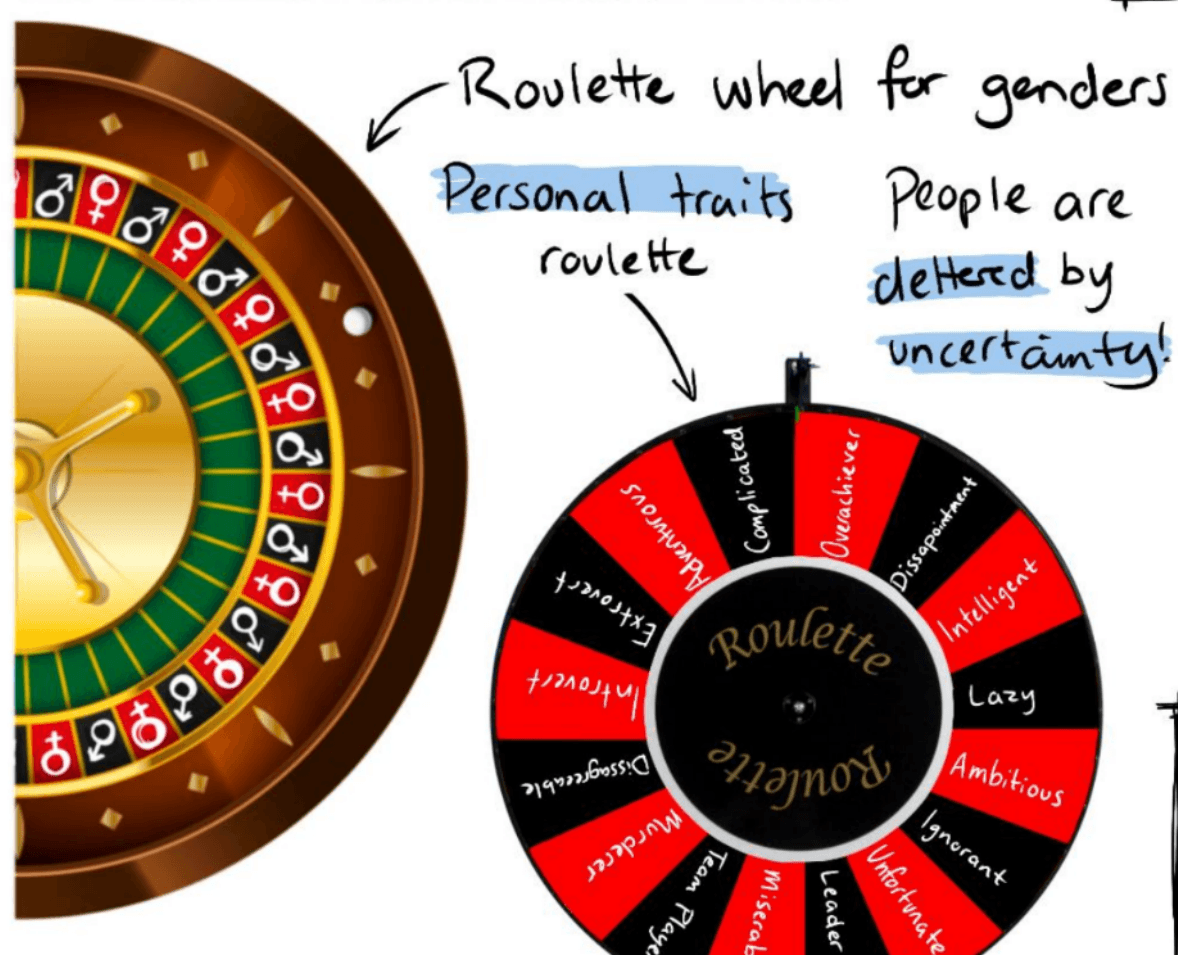
Early ideas involved used brands like Durex with themes such as gambling, but institutional guidelines prevented me from exploring harmful topics.
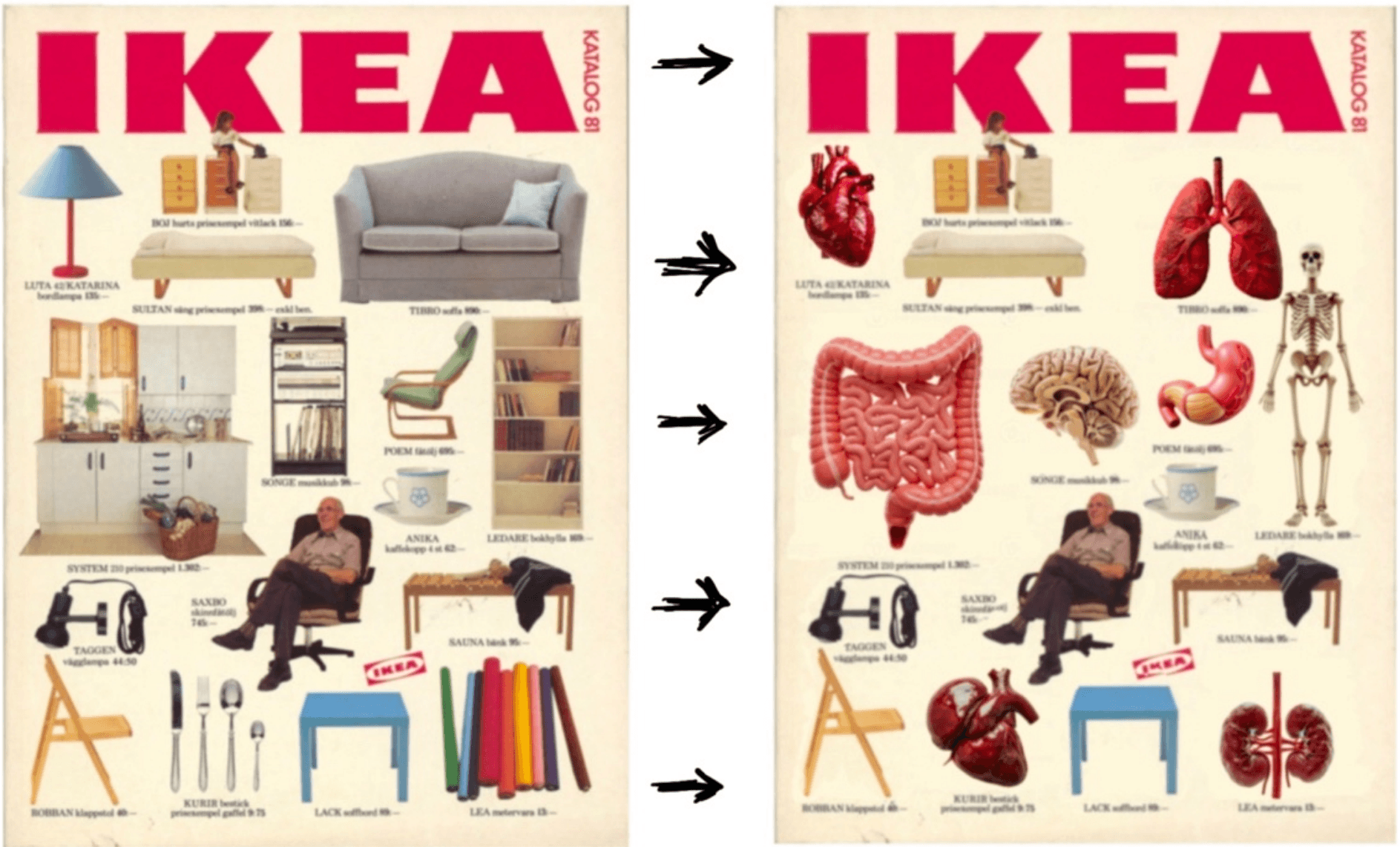
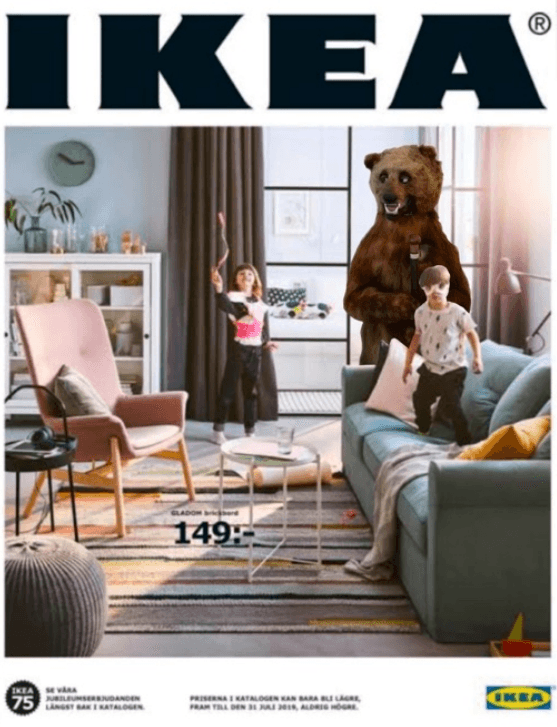
I then tested different ideas with IKEA, mixing gore with its clean, minimalistic style.
However, the outcome felt edgy for its own sake, which made the concept feel shallow.
This process helped me understand the need to balance shock with meaning.
When developing the taxidermy manual, I initially explored taxidermying a cat, but the process was too complex.
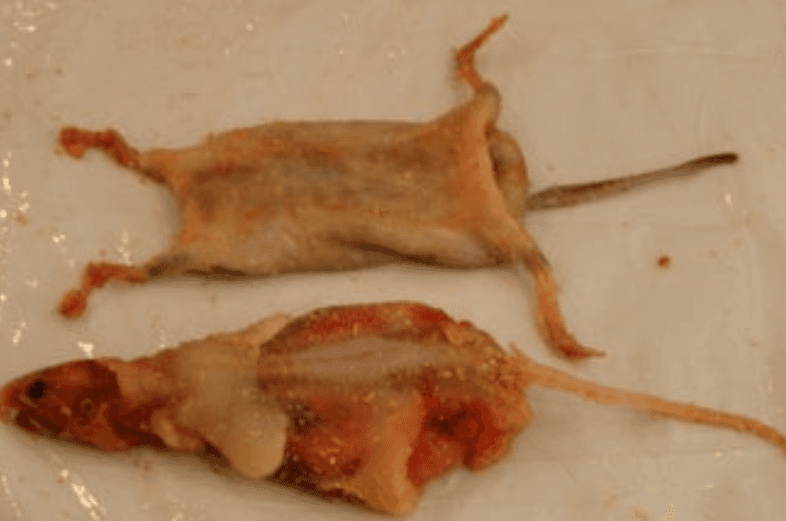
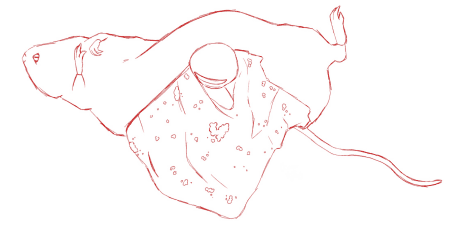
Referencing the accessible DIY style of IKEA manuals, I simplified the idea and instead focused on a mouse, which better suited the familiar step-by-step format and the idea of something commonly found in homes.
Design
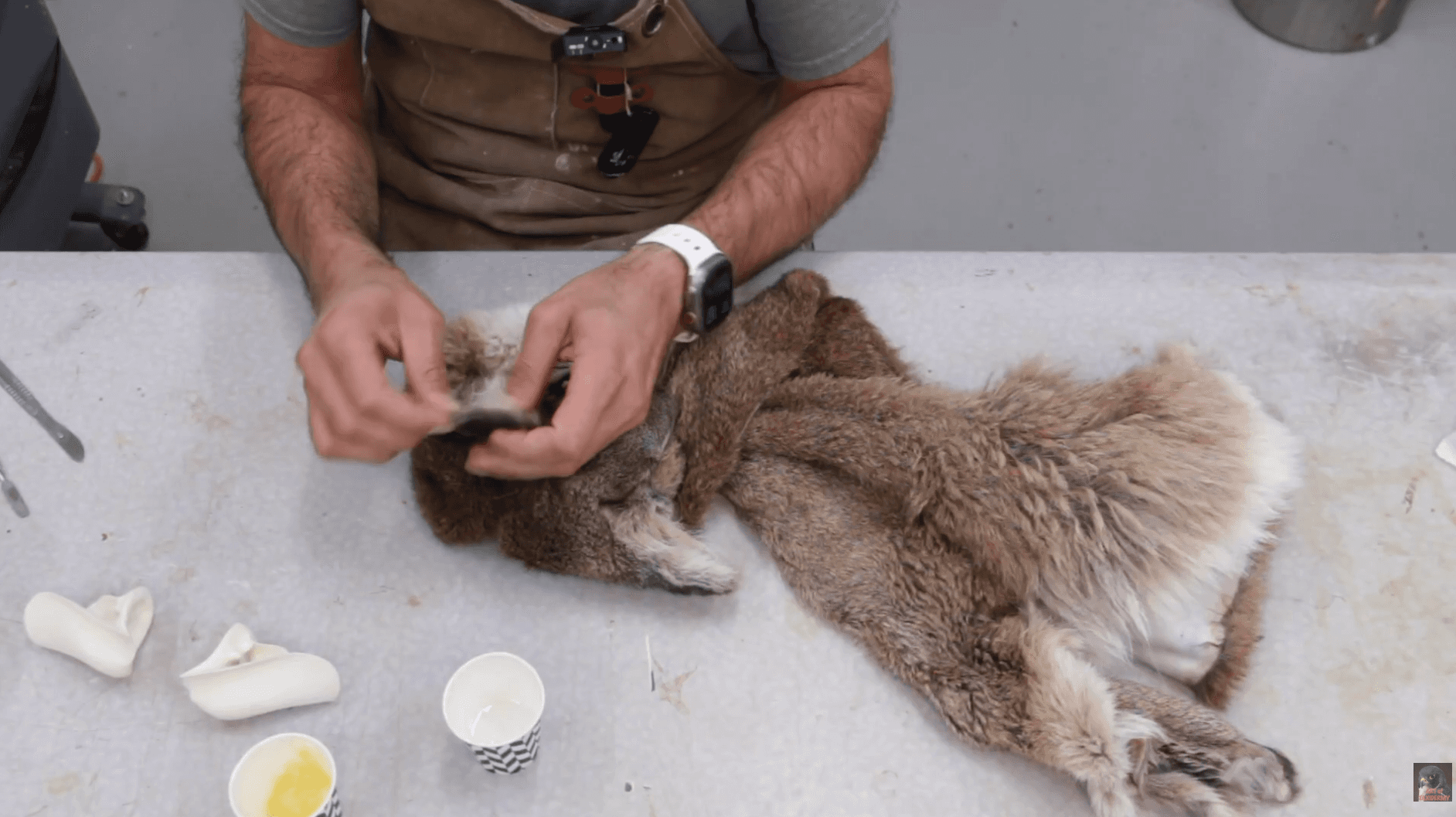
I spent time watching numerous taxidermy videos and reading tutorials to understand the proper techniques and processes, to make the taxidermy manual as realistic as possible.
This research allowed me to accurately translate the steps into a clear, believable format. This was achieved by user testing on peers, where they would demonstrate their understanding by walking through the manual and describing what they'd do. This prevented any use of real animals.
The final manual ended up being 16 pages long.
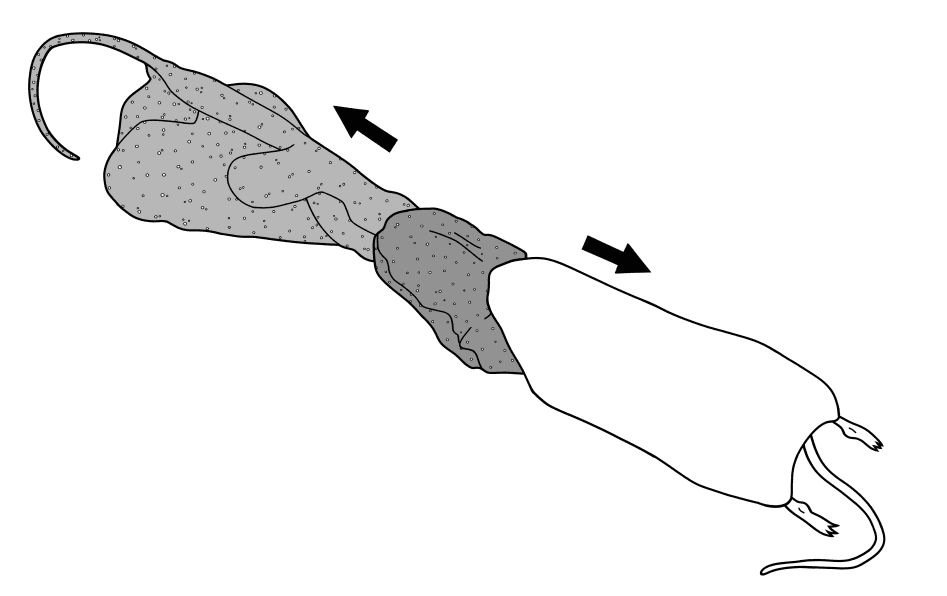
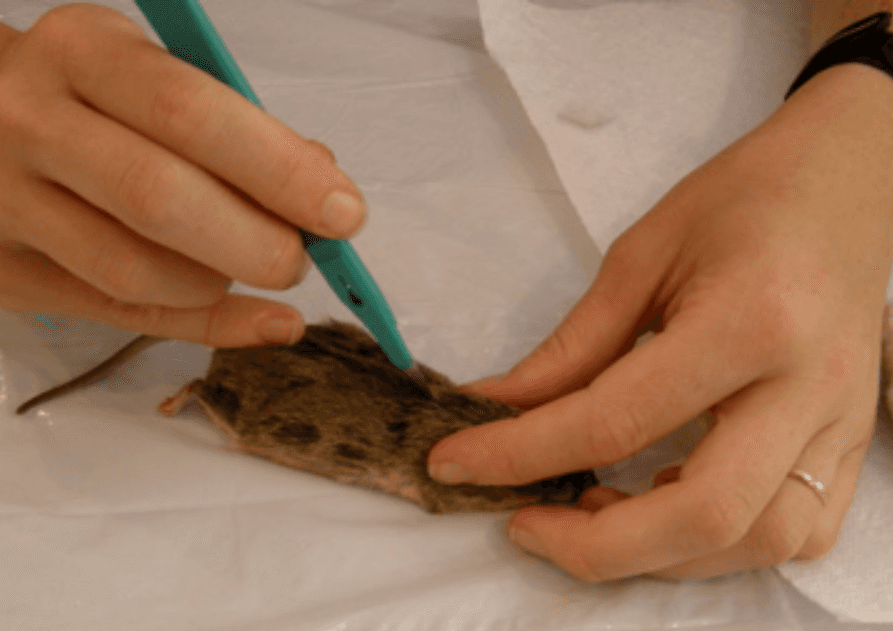
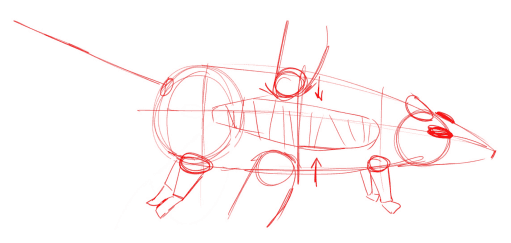
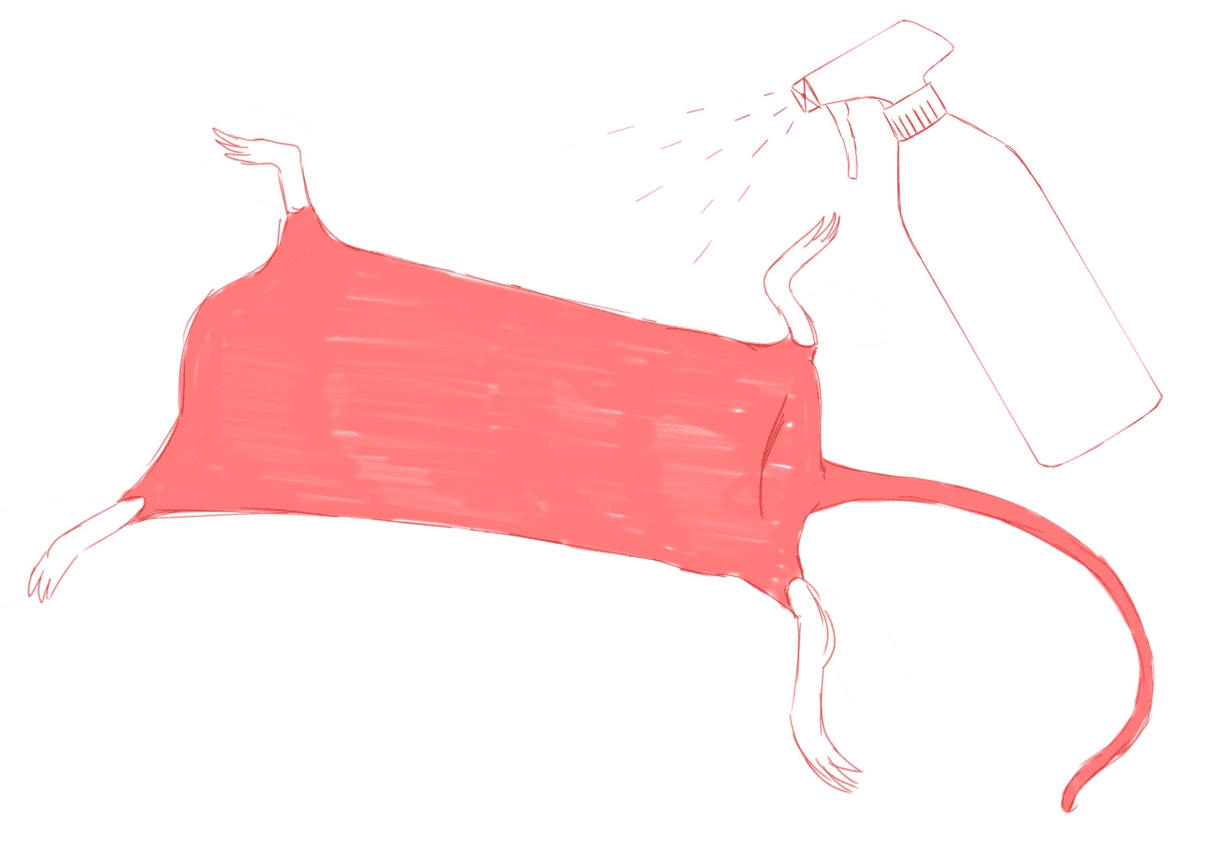
Final Deliverables
Reflection
I learned how to better balance shock and concept to create stronger visual impact. Early ideas pushed provocation too far and often felt edgy without purpose, which helped me recognise when an idea lacked depth.
Working with the visual language of IKEA also taught me how to stay within recognisable brand guidelines while adapting them for a different context.
Overall, I am happy with the outcome, as it successfully recreates IKEA’s familiar instructional style while applying it to an unexpected concept.