Hectic Heist
UI/ UX Design/ 3D Character & Asset Design
Summary
Brief
"You must create a video game which is focused around local multiplayer (2 or more players in the same room playing on the same computer). You have creative license to make a game of your choice, so think outside of the box. You are encouraged to make something fun and quirky. You will determine the theme, and this should be tied to your target audience (identify who this will be)."
Aim
To design and develop a fun, quirky local multiplayer video game for two or more players sharing the same computer, using a creative theme tailored to a clearly defined target audience.
Deliverables
A working multiplayer game prototype.
Team Size
8 people (Group2Studio)
UI/UX Design 🡢 Character Design 🡢 Asset Modelling
Character Design Process
Goal
Create a clear tone and character identity.
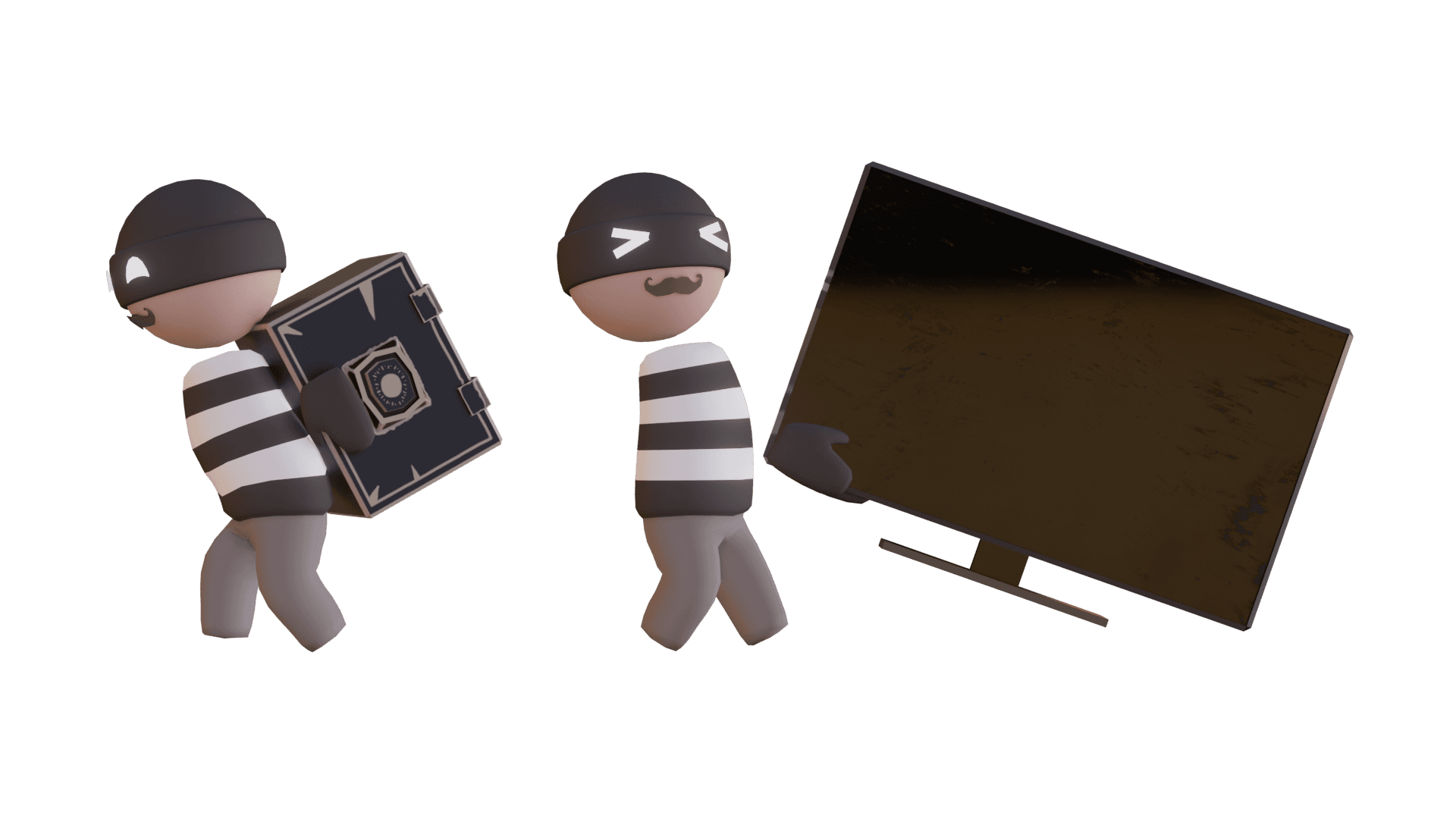
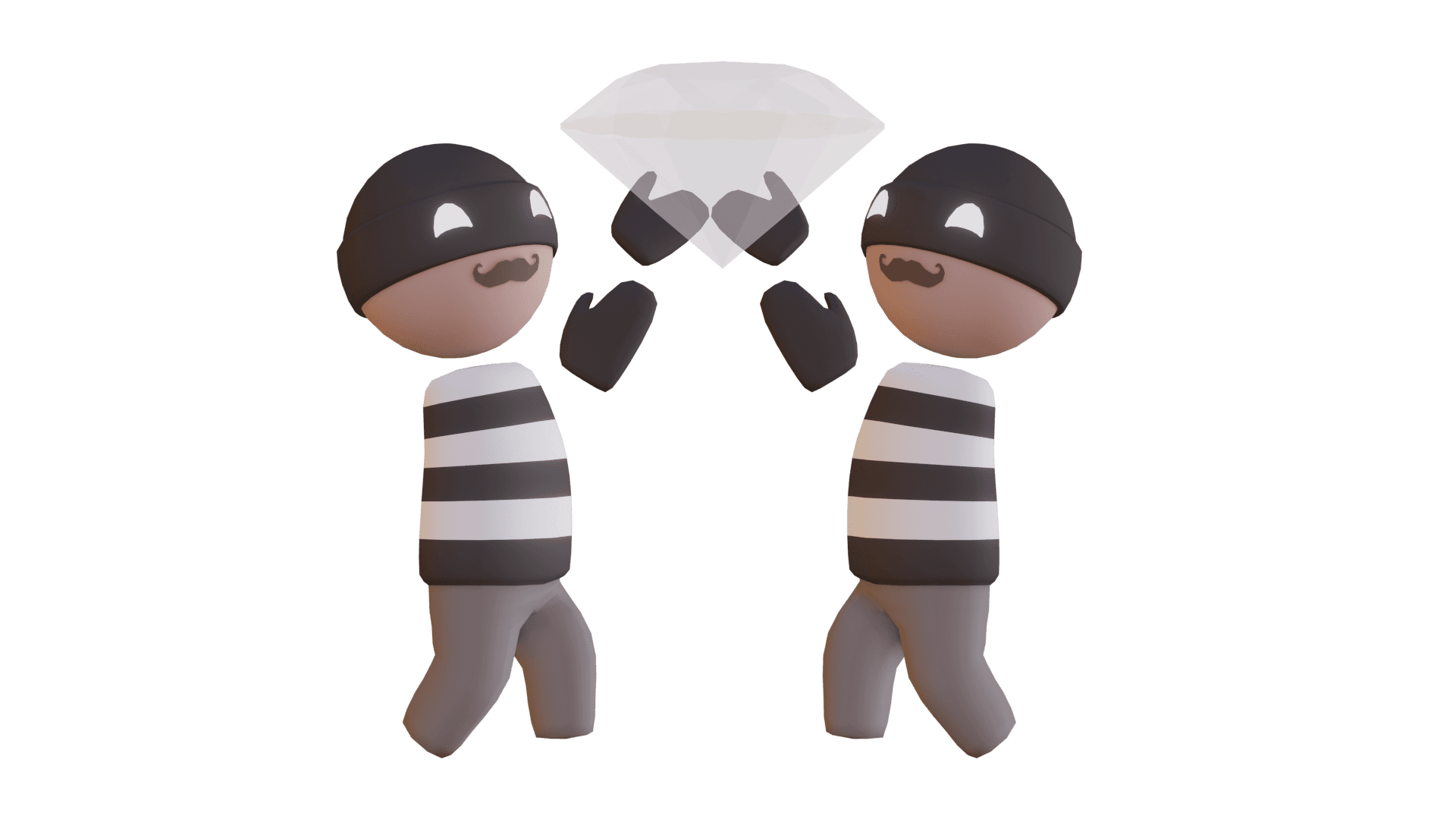
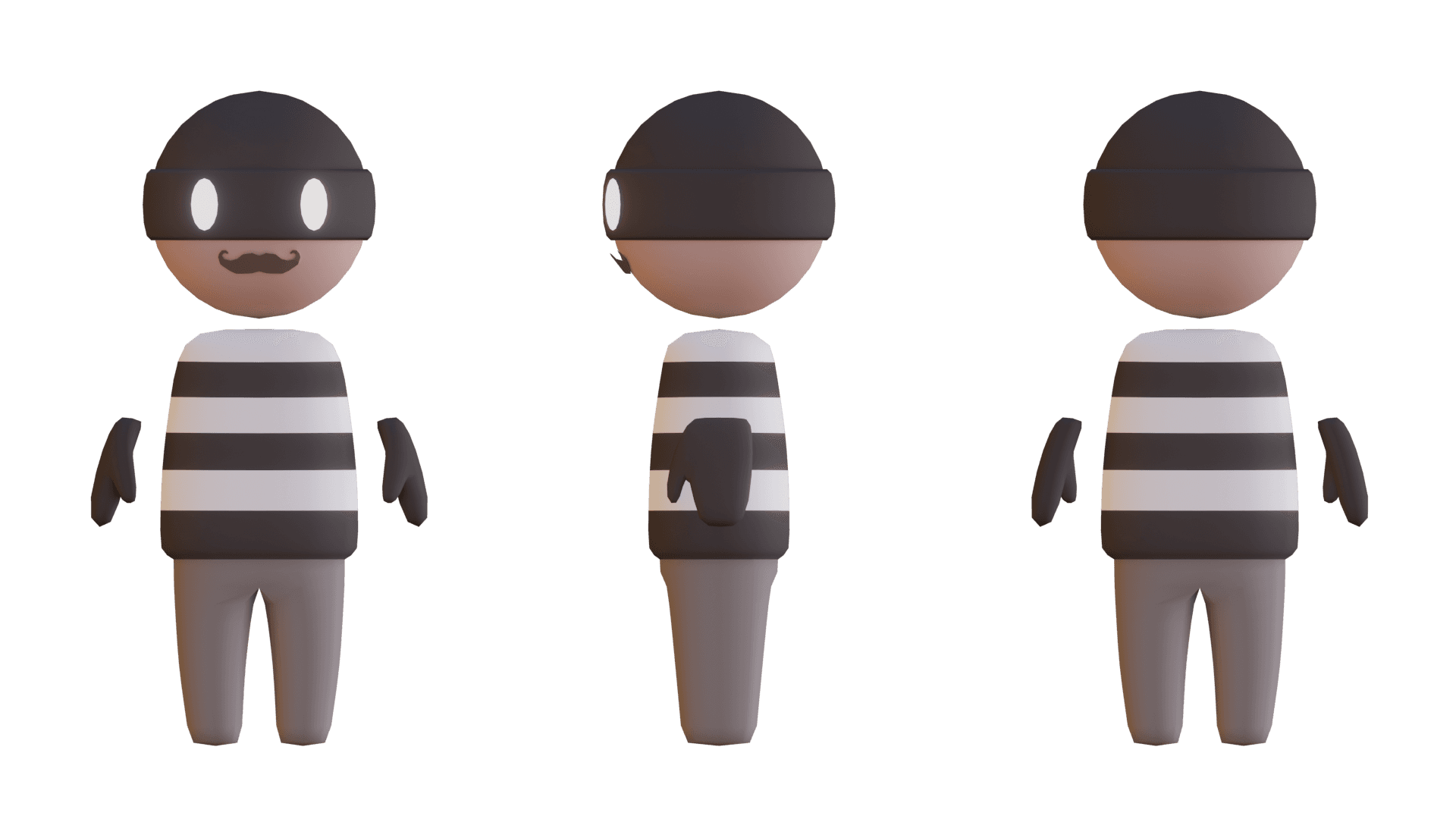
Reinforce playful, exaggerated 'cartoon robber' theme.
Align character visuals with overall art direction across the project.
Deliverables
Concept art
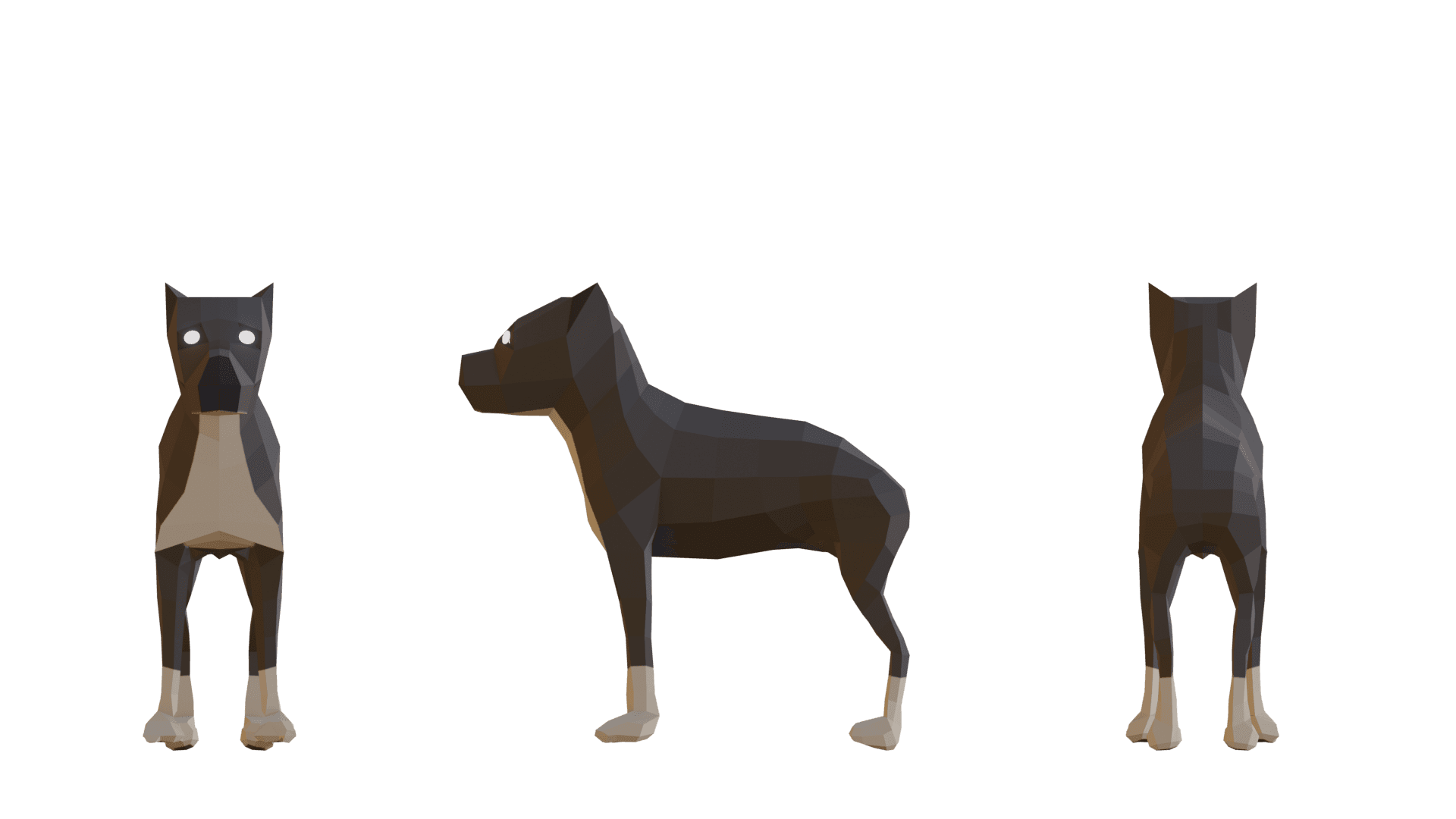
Final in-game models
Approach
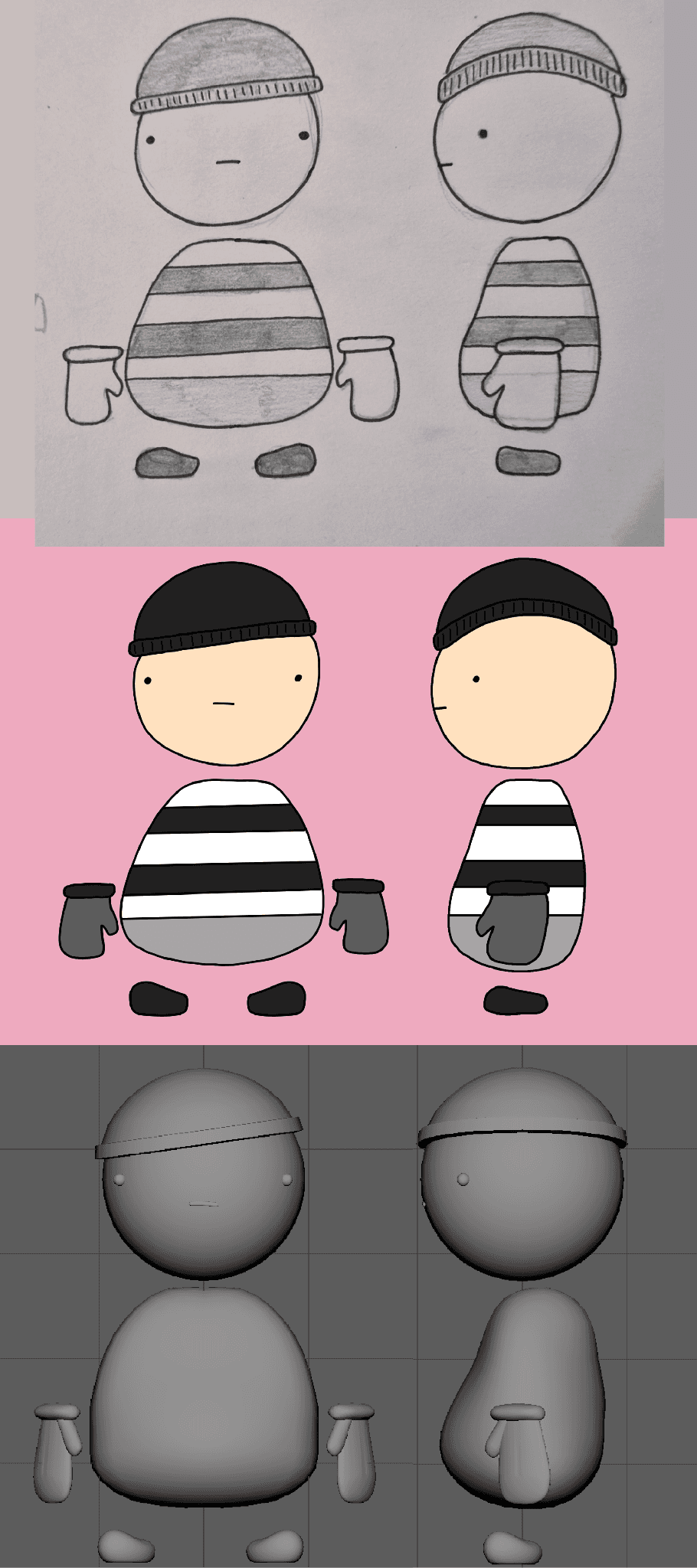
Silhouette Exploration
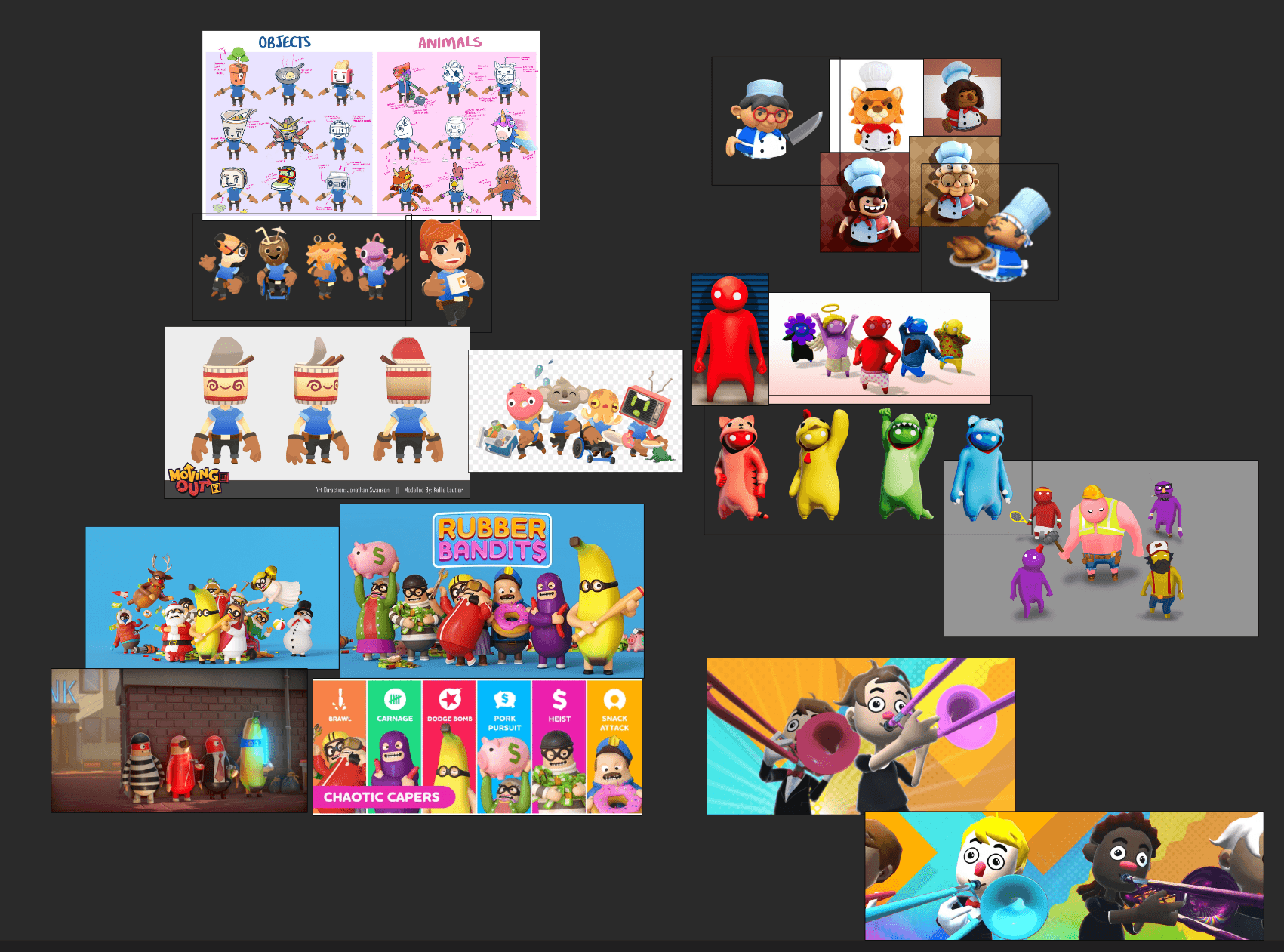
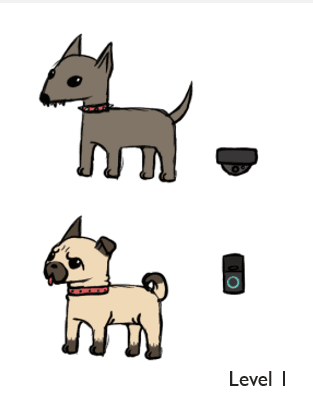
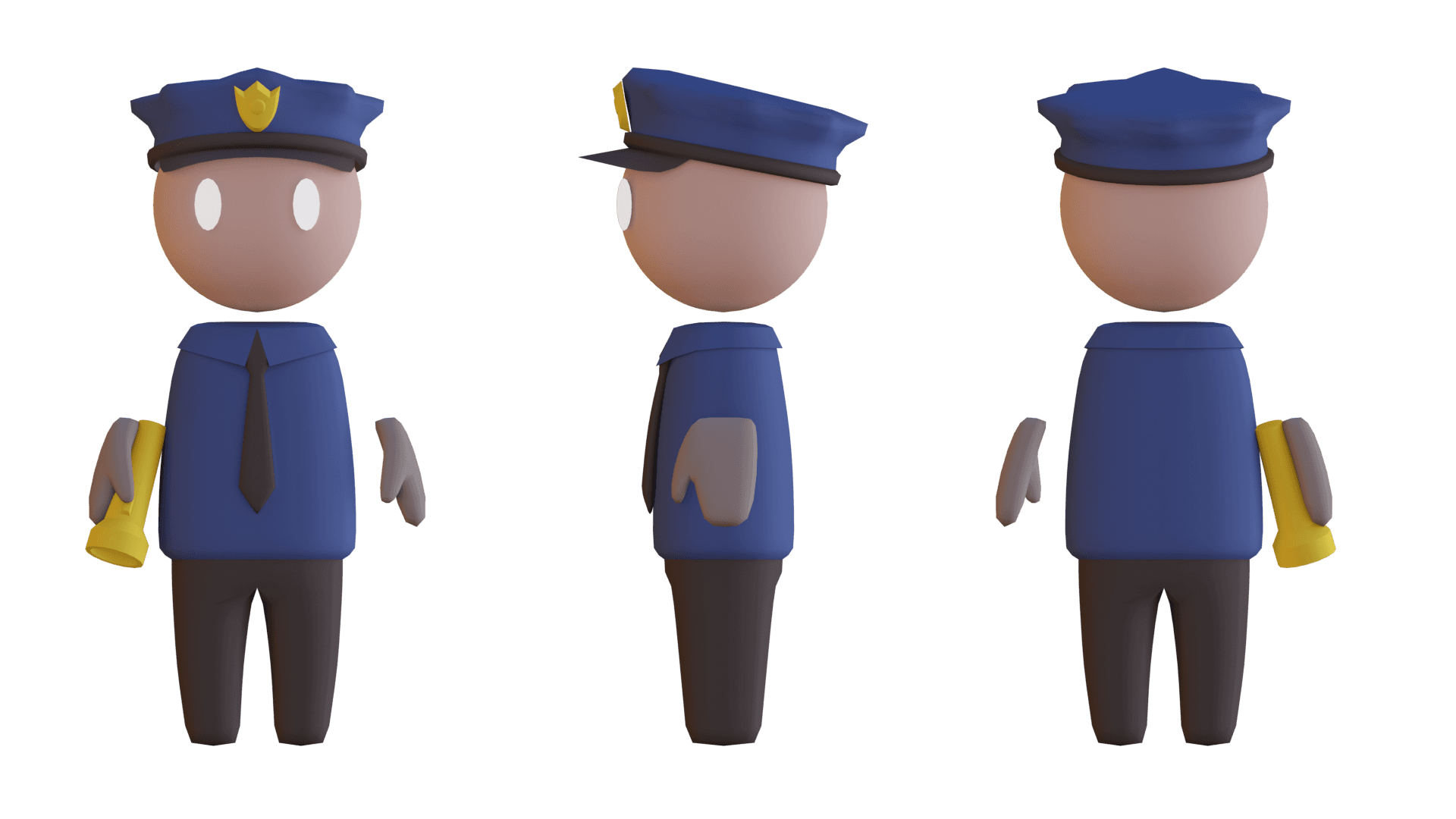
A range of character silhouettes and shapes were explored to achieve a clear, playful style aligned with the game visual style.
Character designs were iterated based on team feedback and reference to the projects visual style.
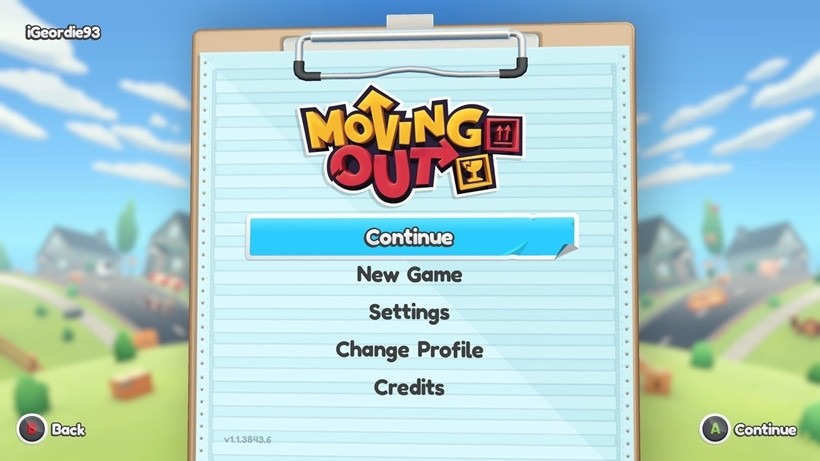
Stylised characters were developed inspired by games such as 'Gang Beasts' and 'Moving Out', focusing on exaggeration and disproportion.
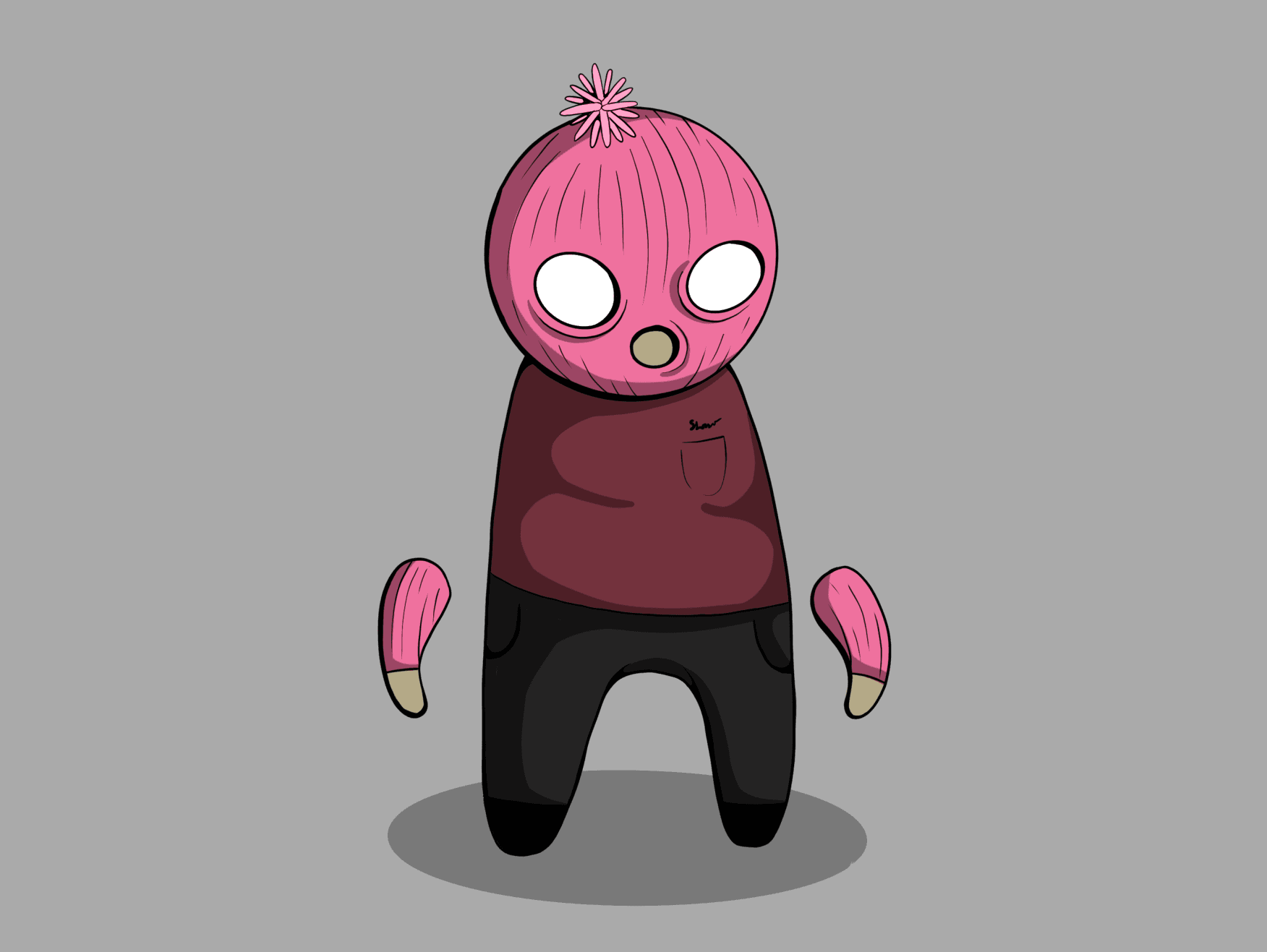
Iteration
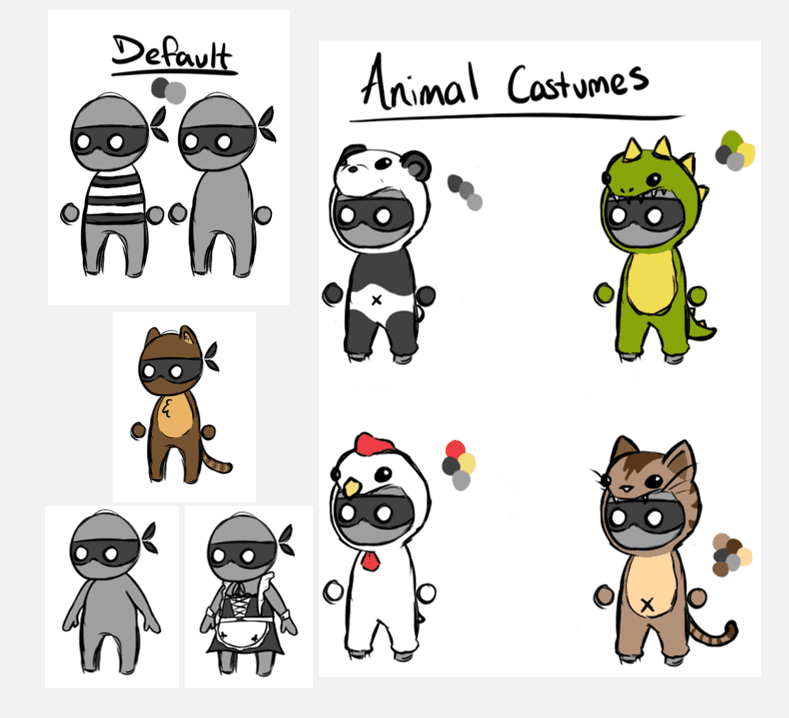
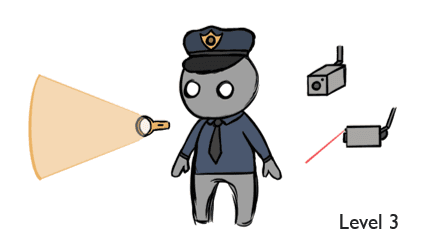
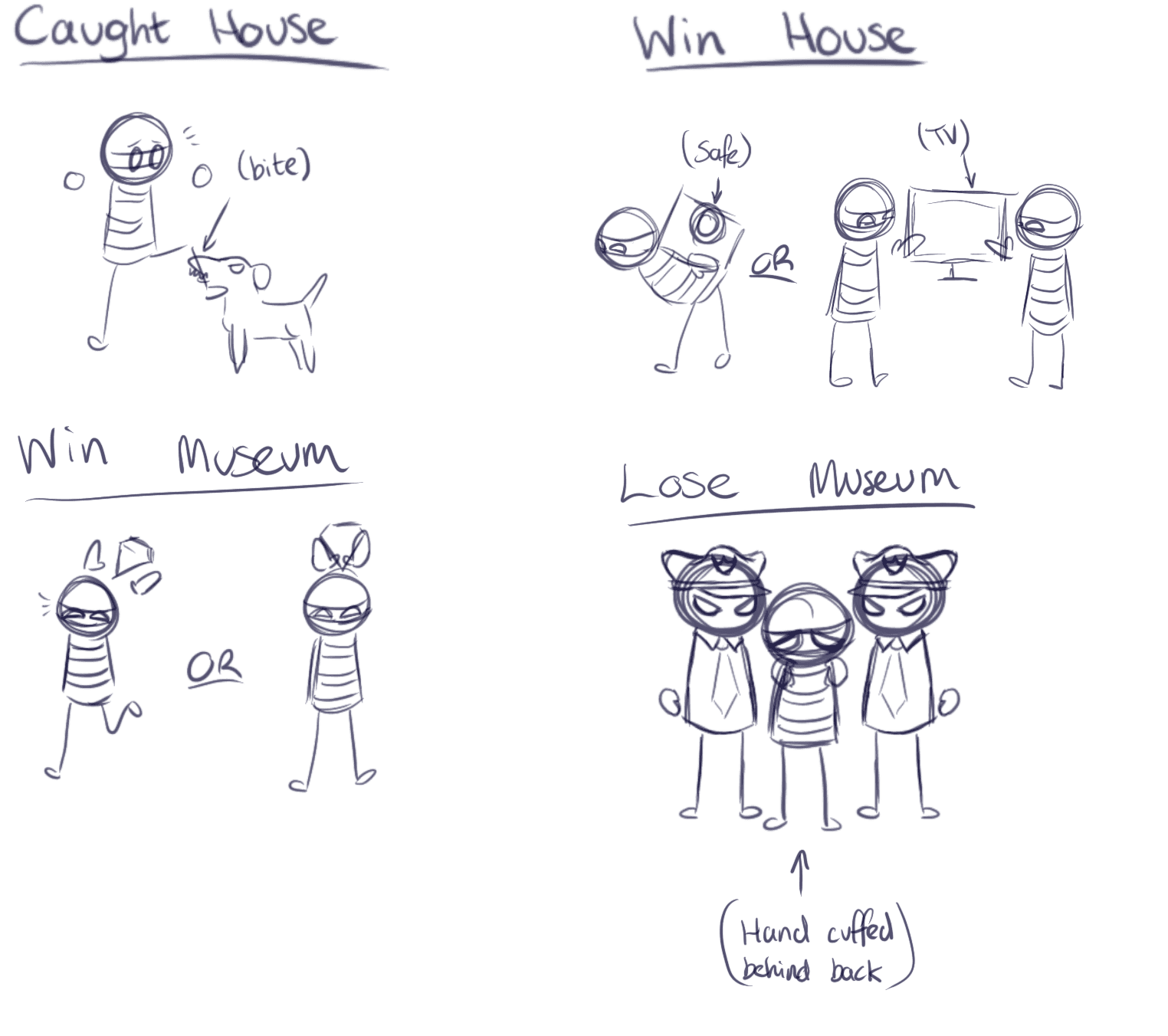
Feedback was then implemented and character customisation was explored.
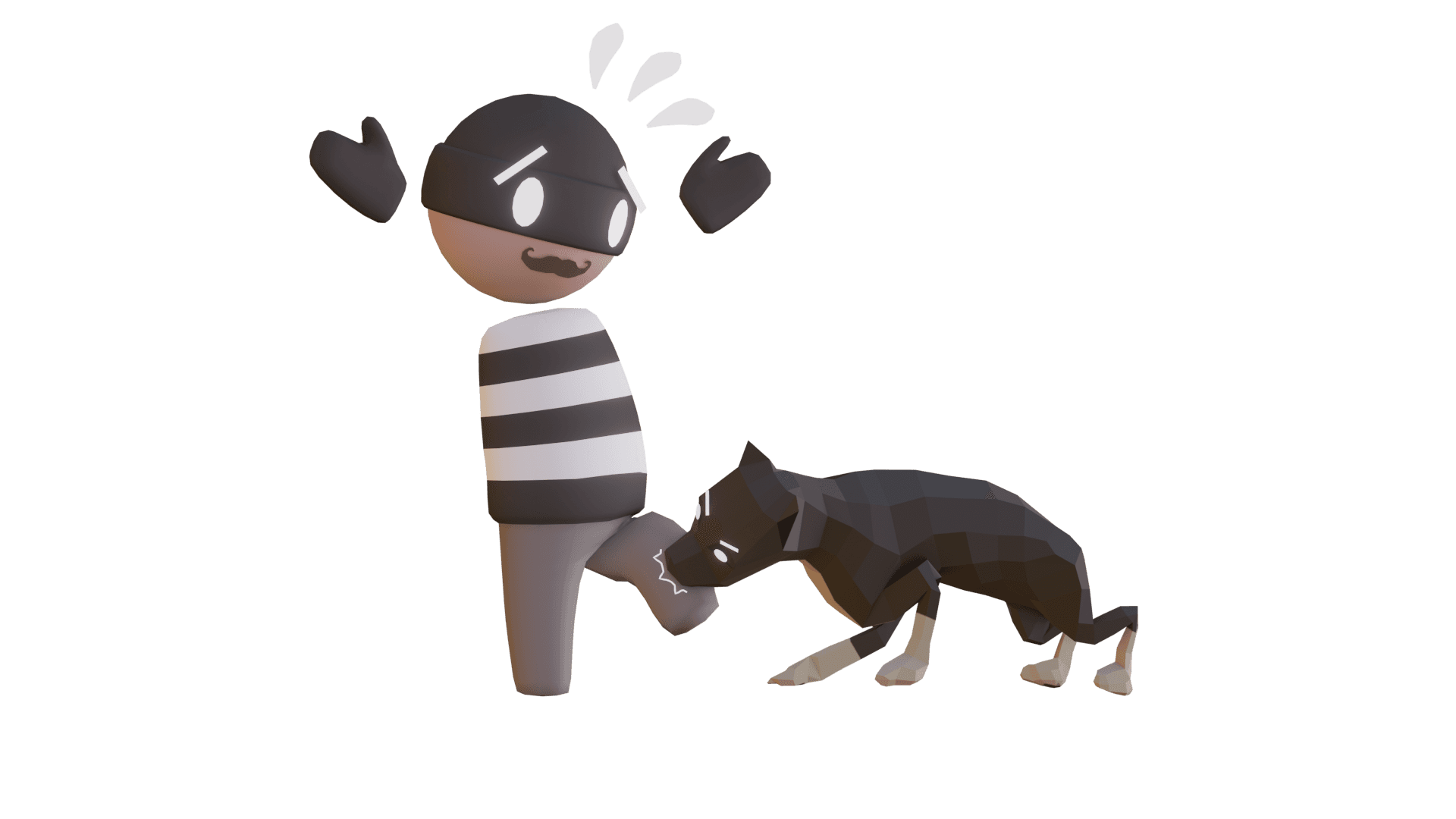
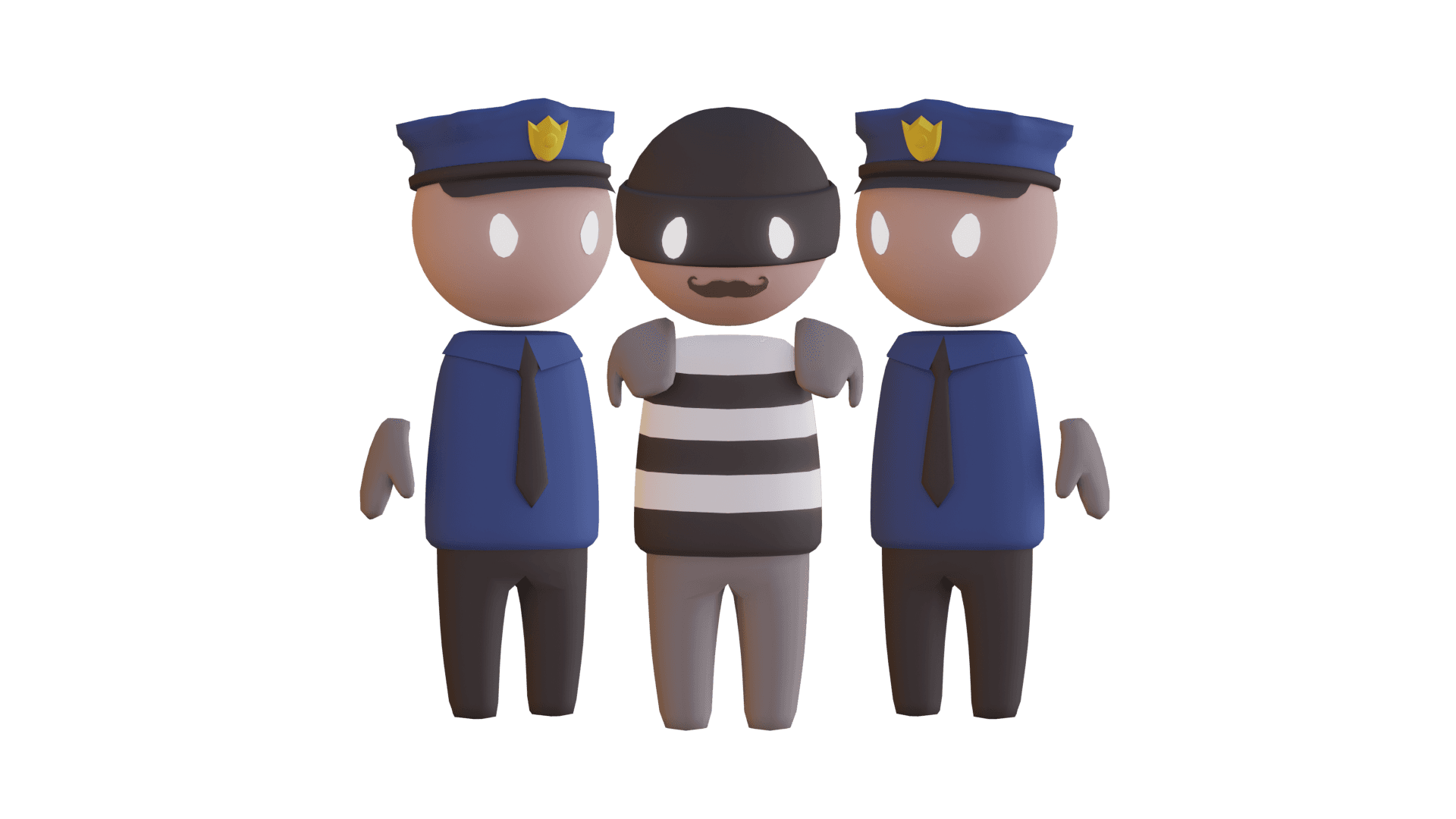
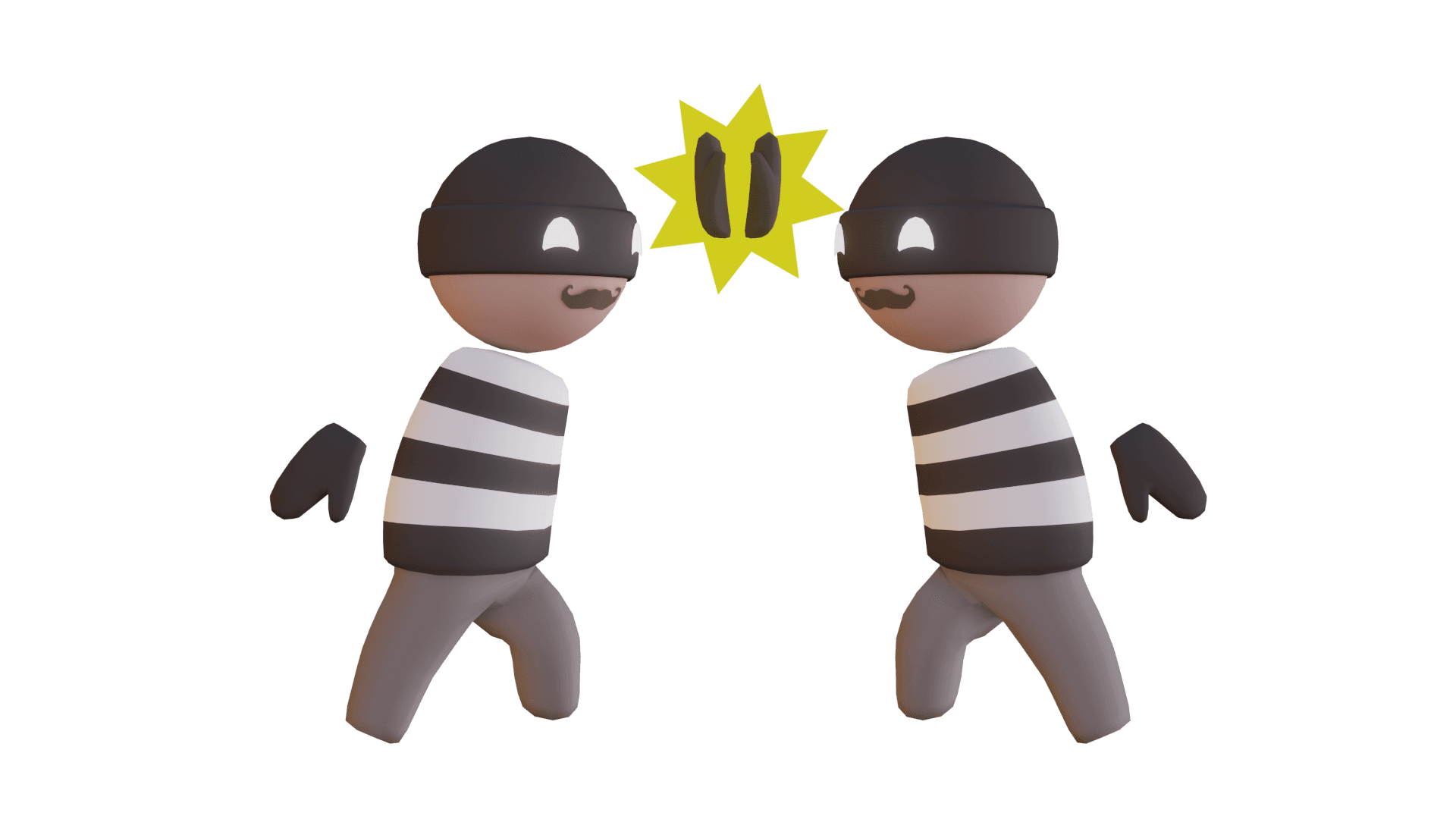
Sprites for win and lose screens were also developed as visual indicators to the player once their current level ended.
Outcome
The final character designs clearly communicate roles and tone, enhancing player understanding and engagement.
A cohesive visual language was established across the cast, ensuring consistency in style and the overall aesthetic.
Asset Modelling Process
Goal
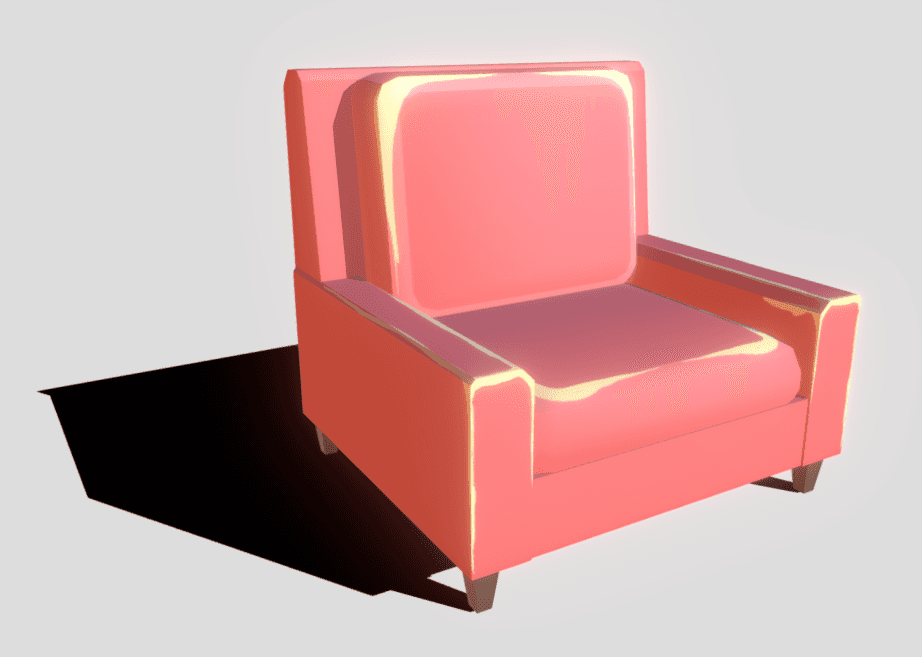
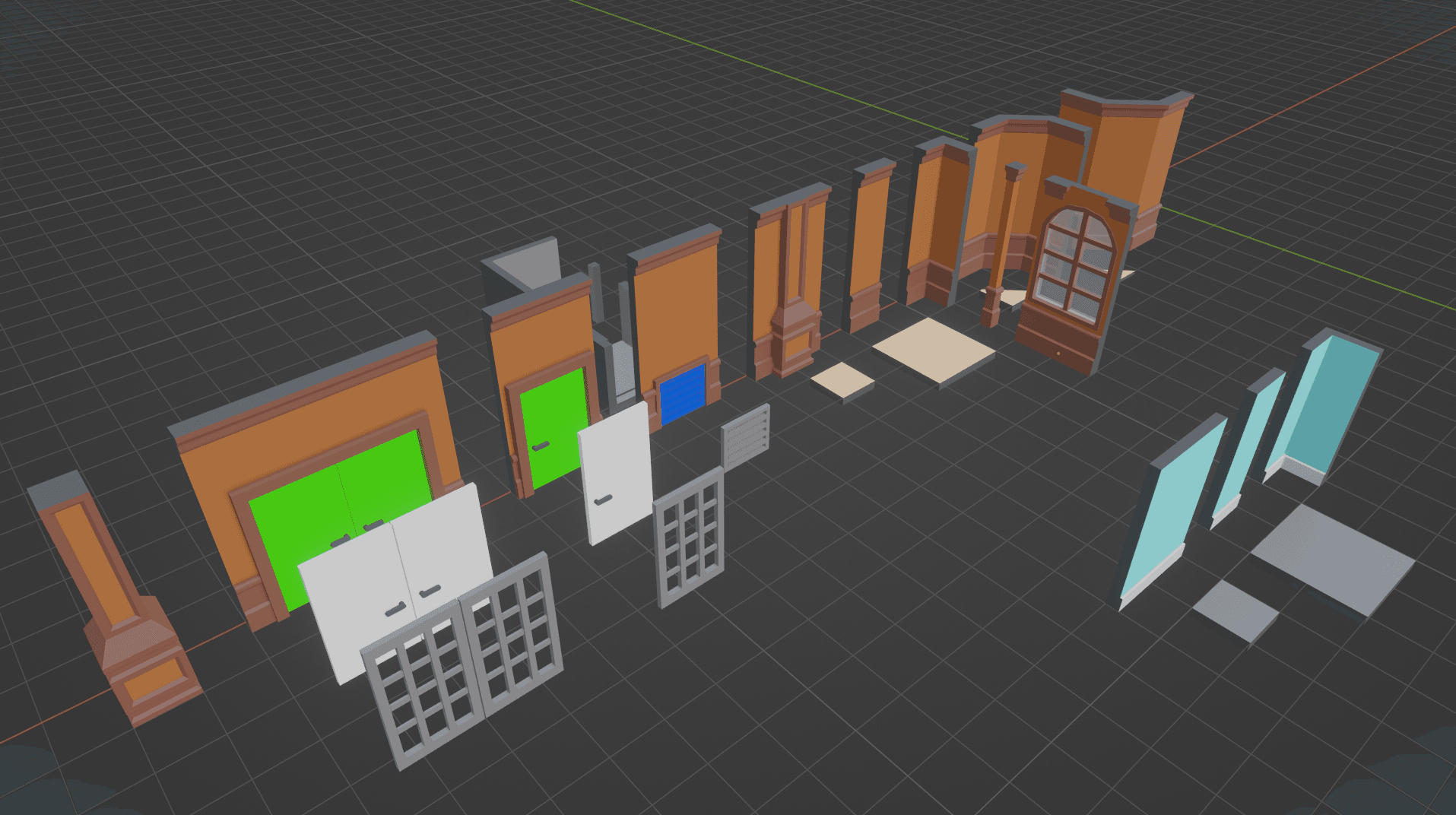
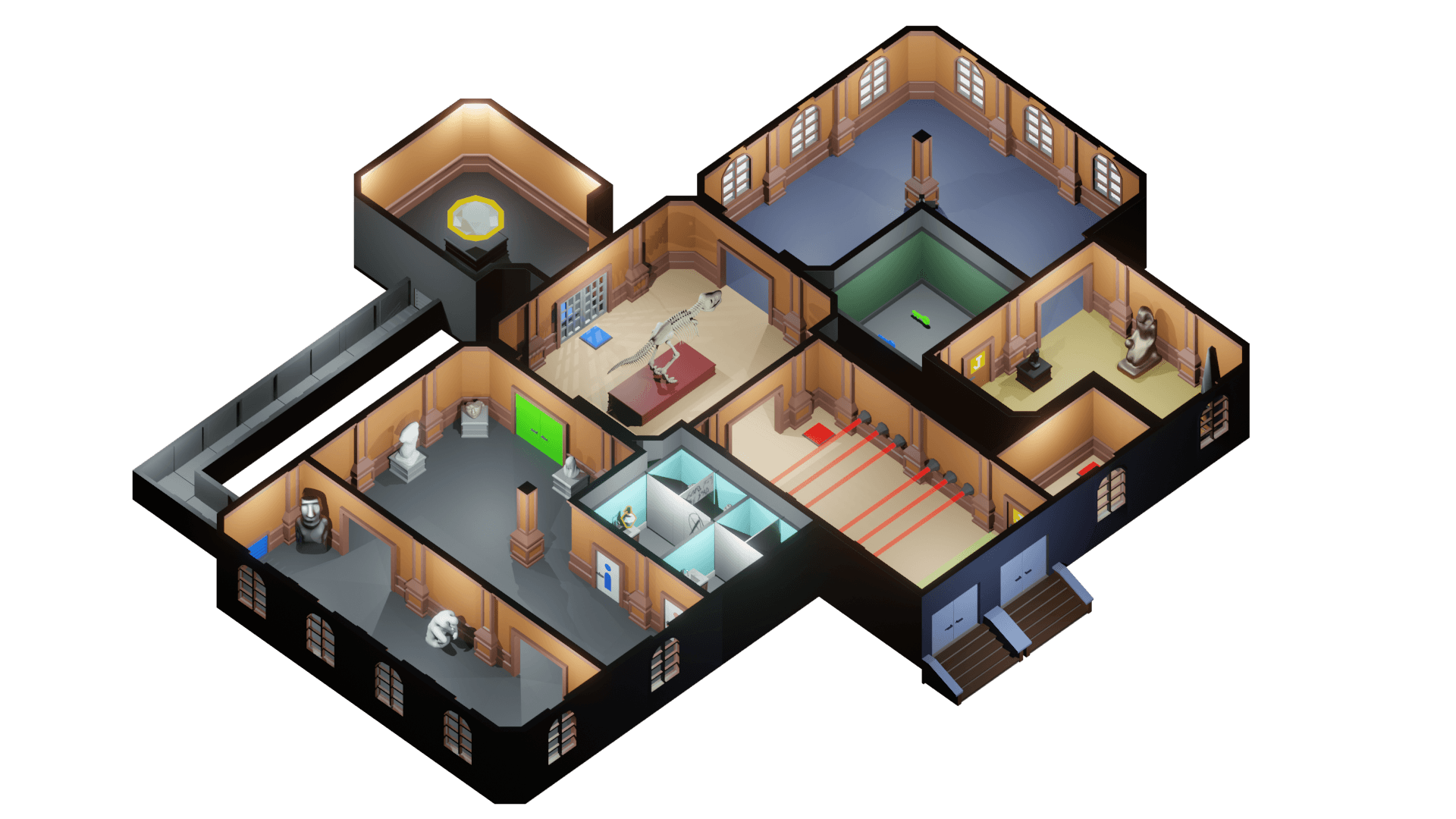
Create modular assets to streamline game development.
Support gameplay while maintaining visual consistency.
Deliverables
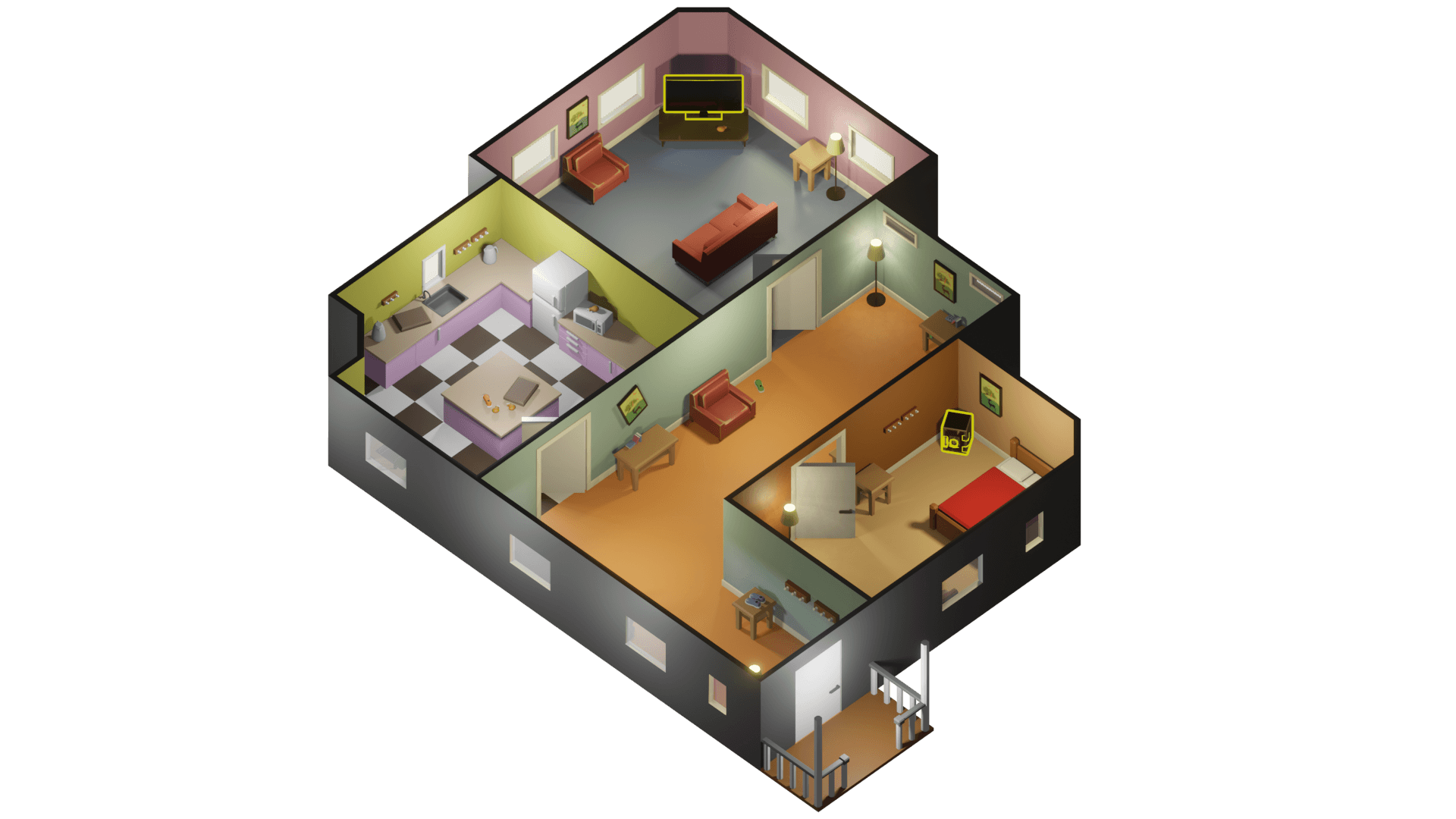
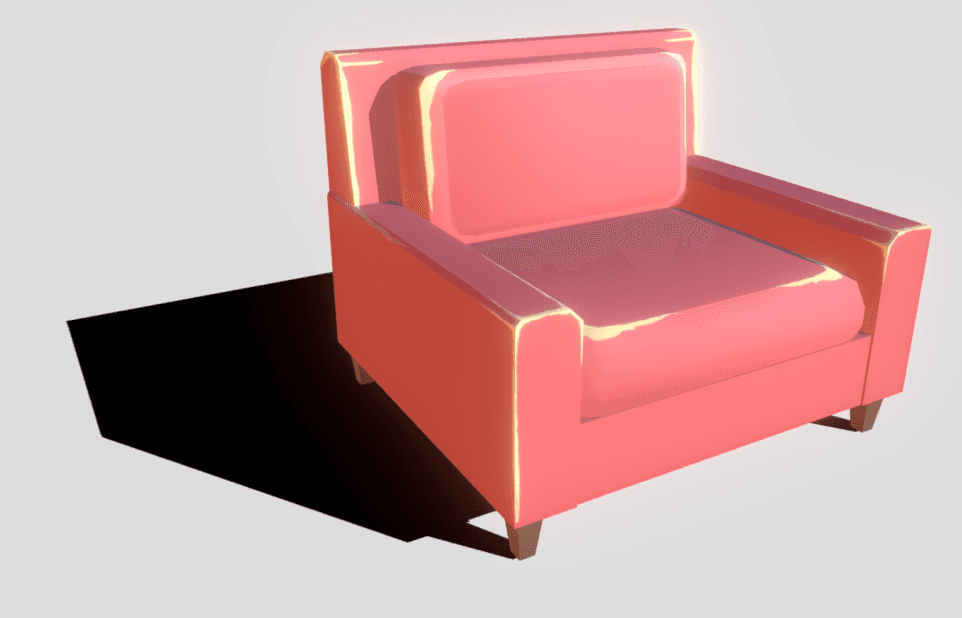
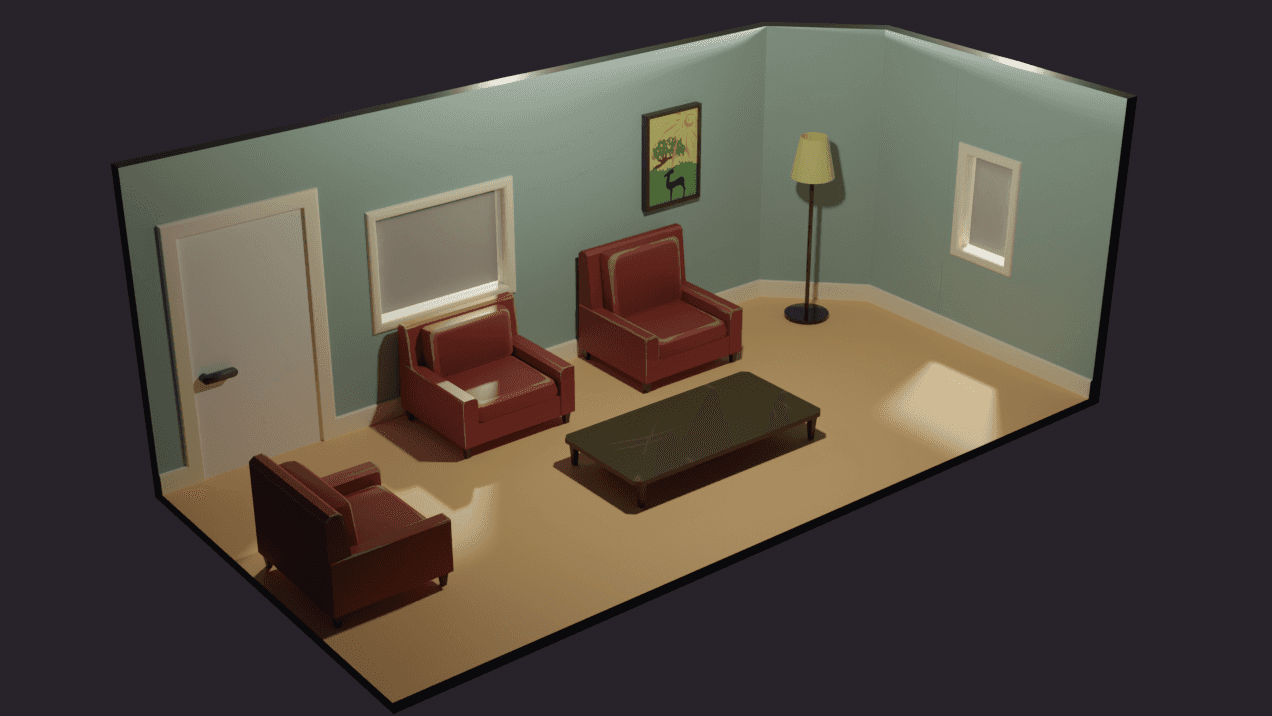
Environment props
UI elements
Textured, game-ready models
Approach
Modular assets were created to streamline level building by being reused/ retextured.
Topology was optimised on models with high poly counts to help the game run smoothly on what device it was being played on.
Final Deliverables
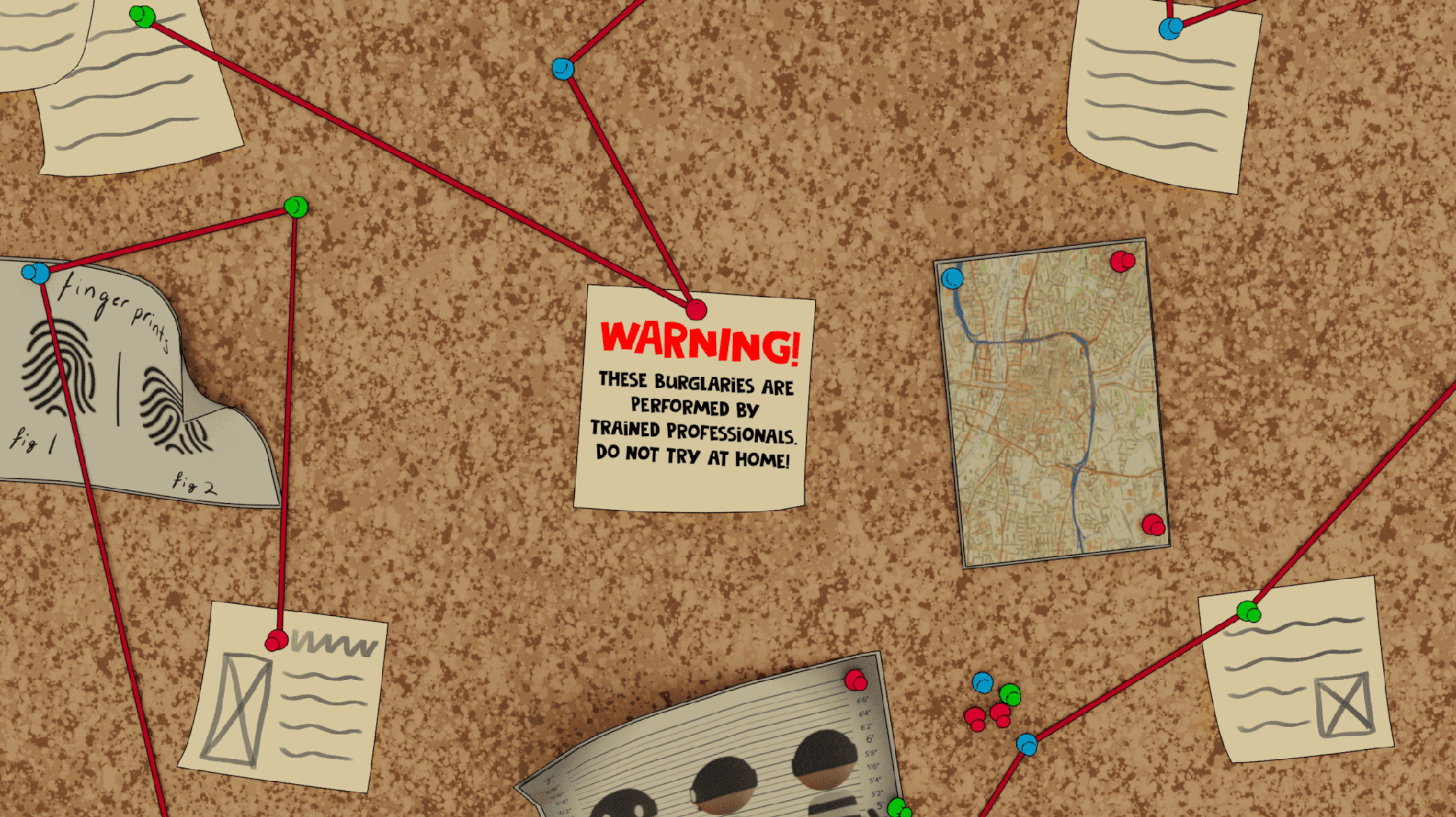
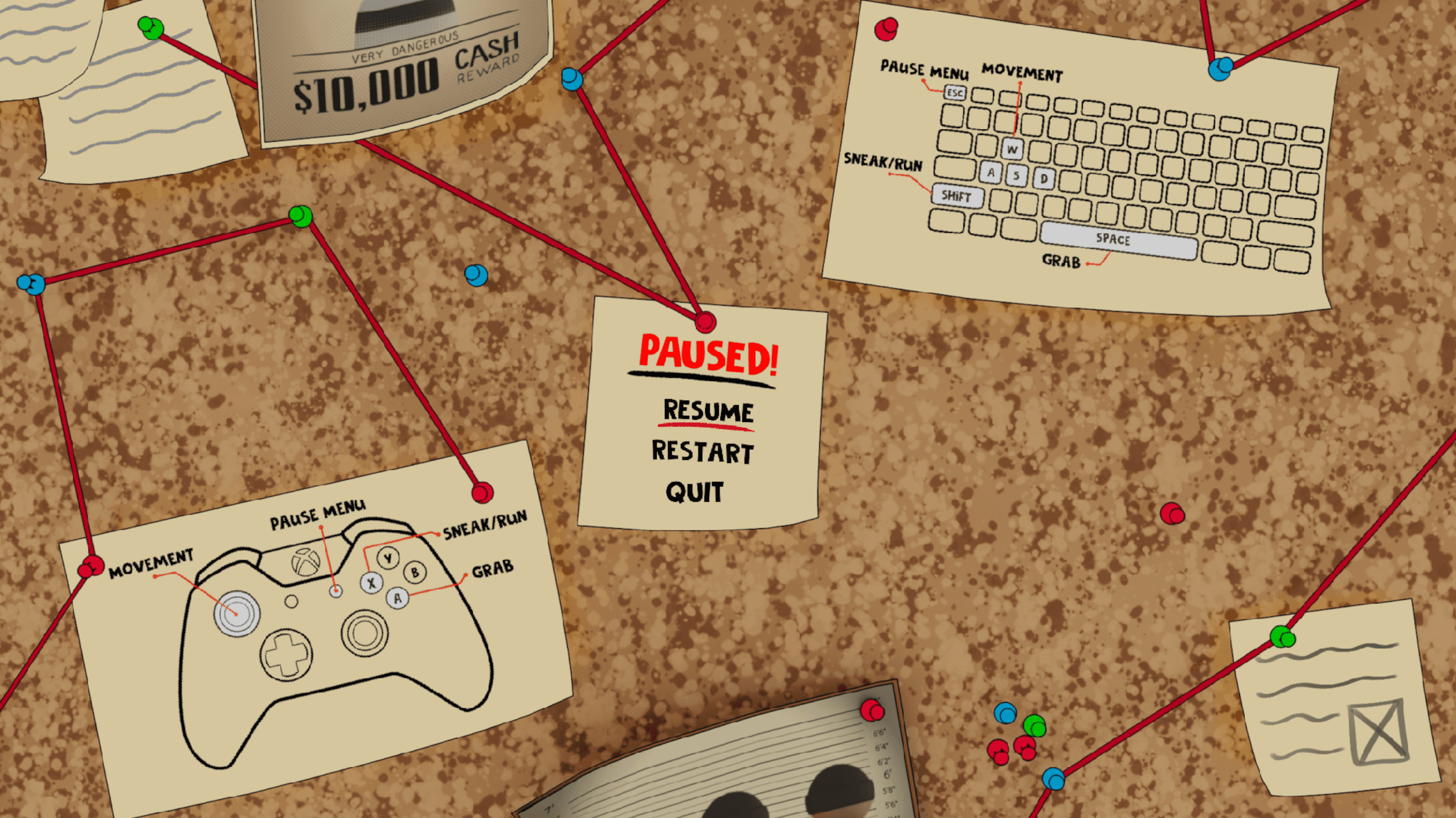
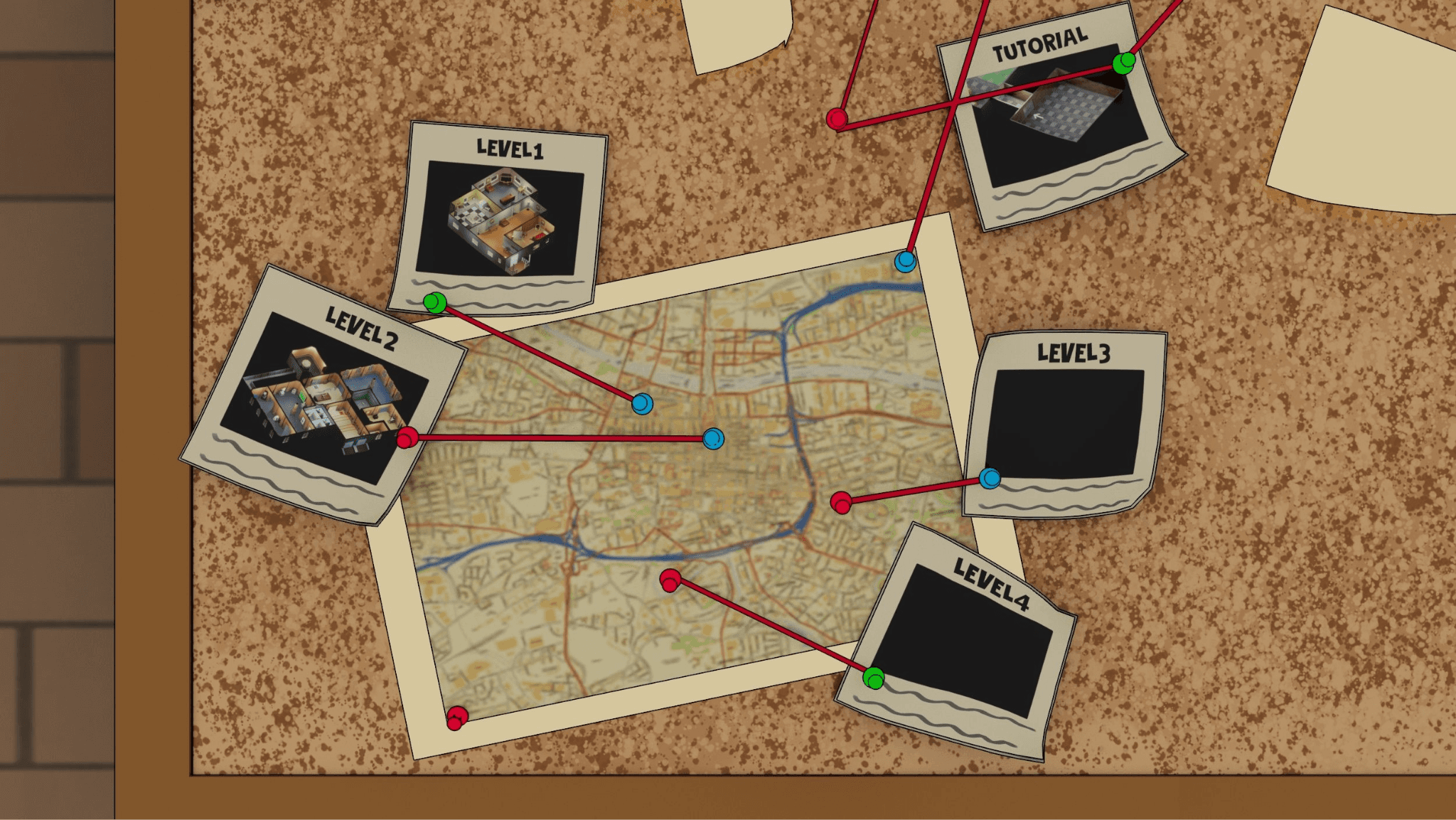
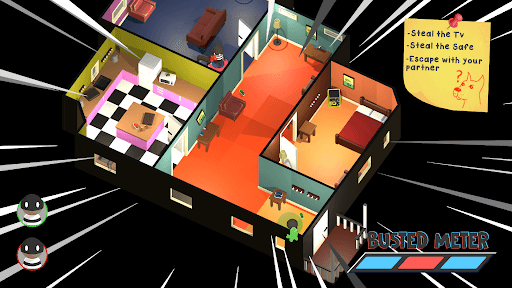
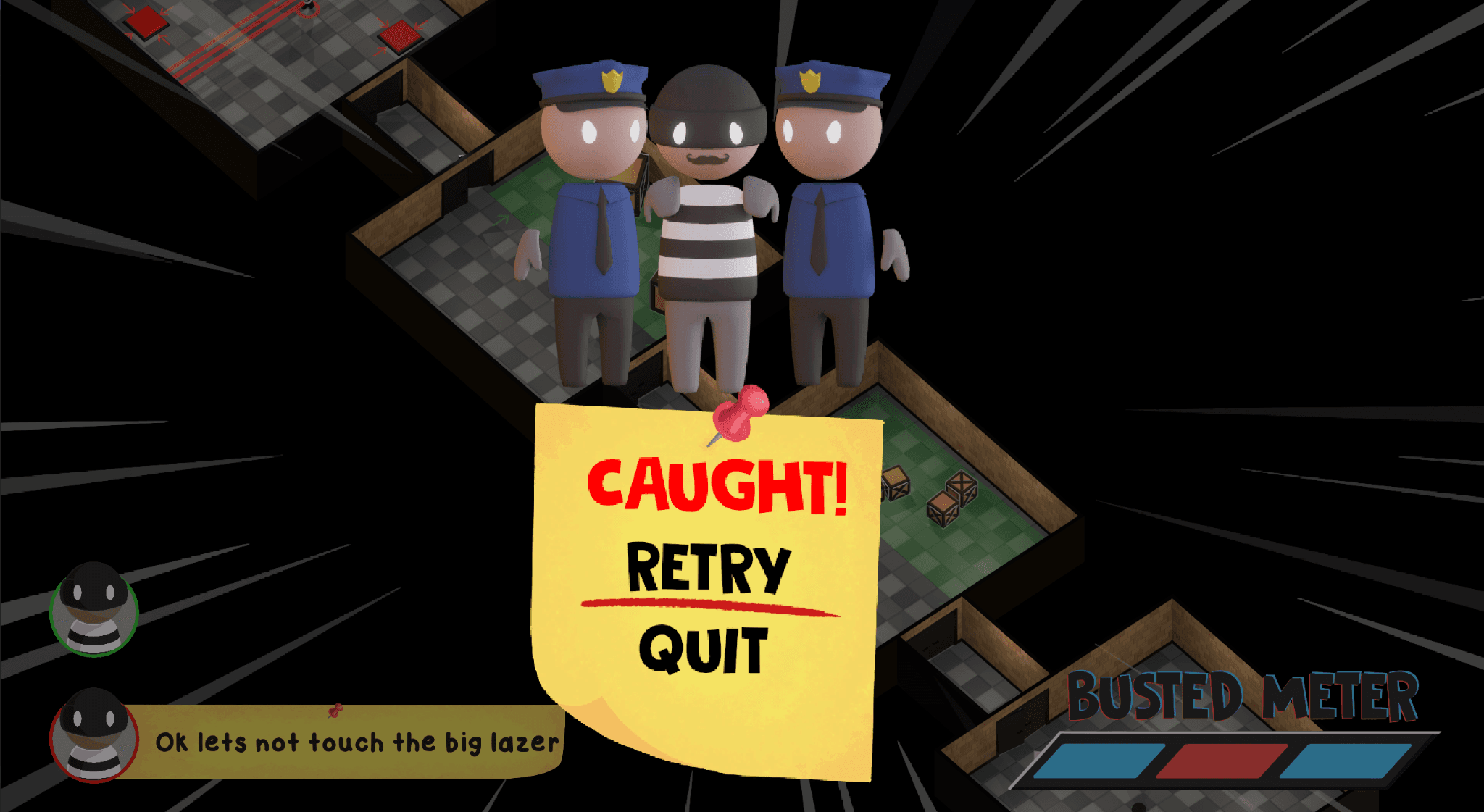
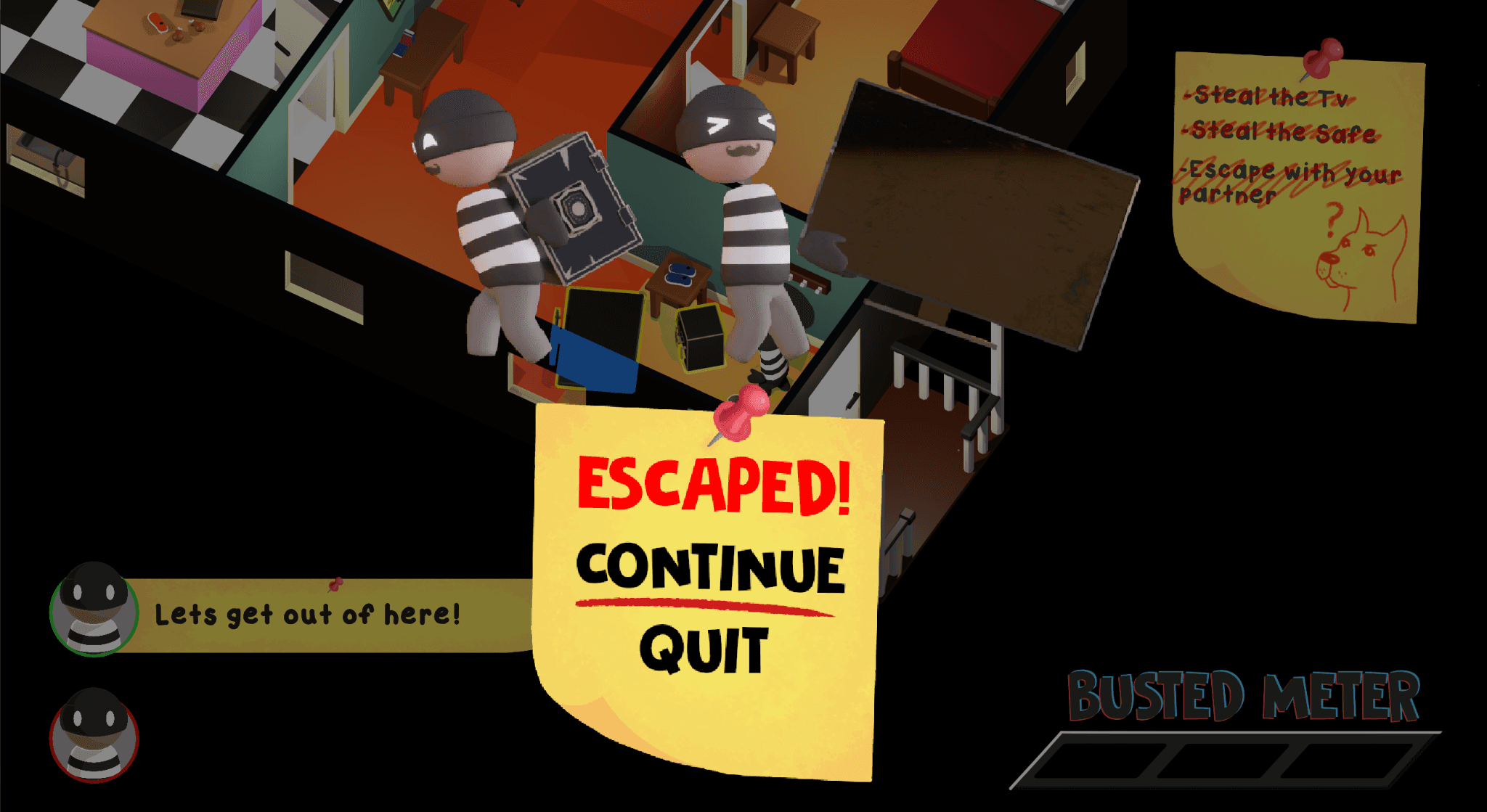
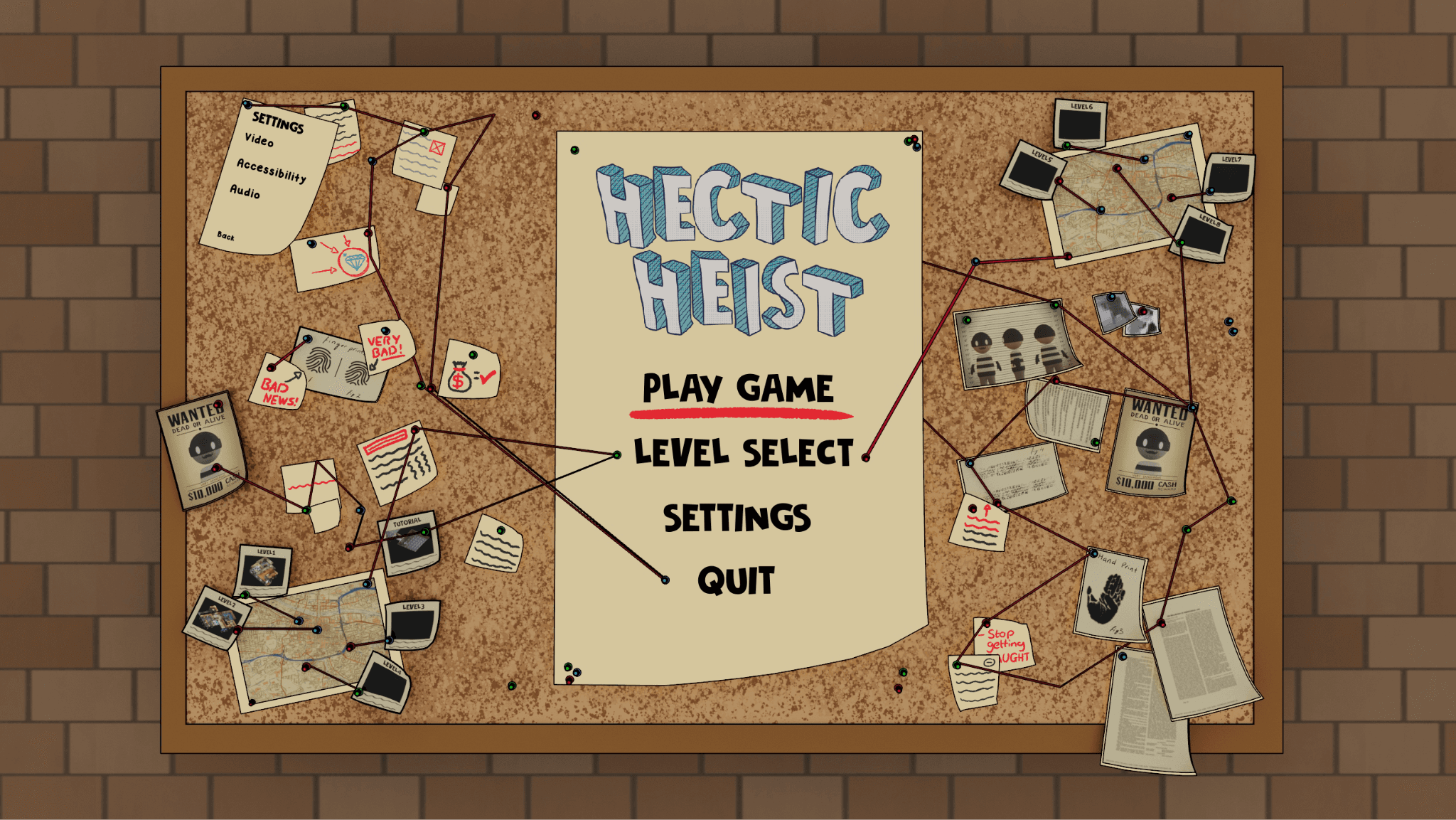
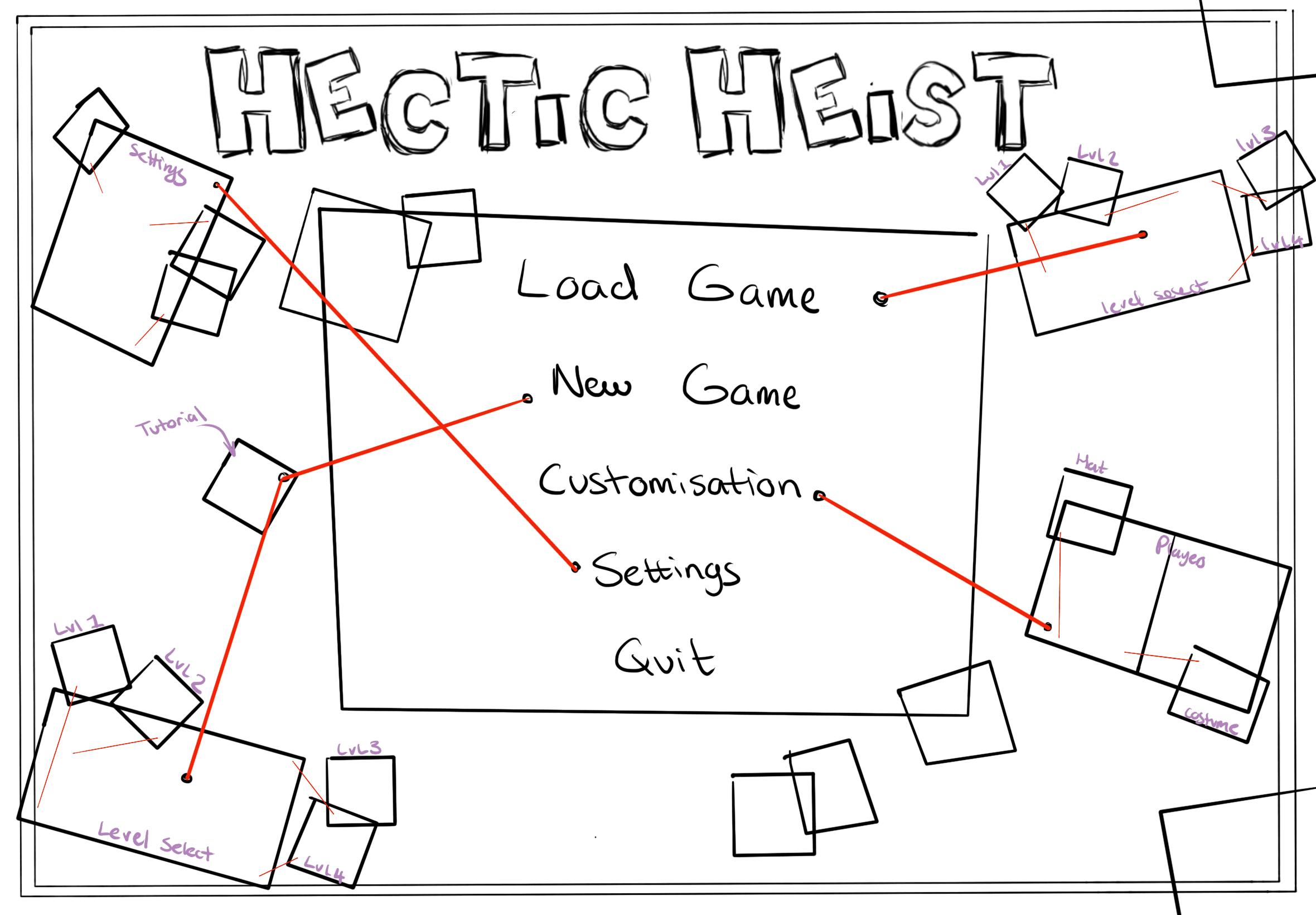
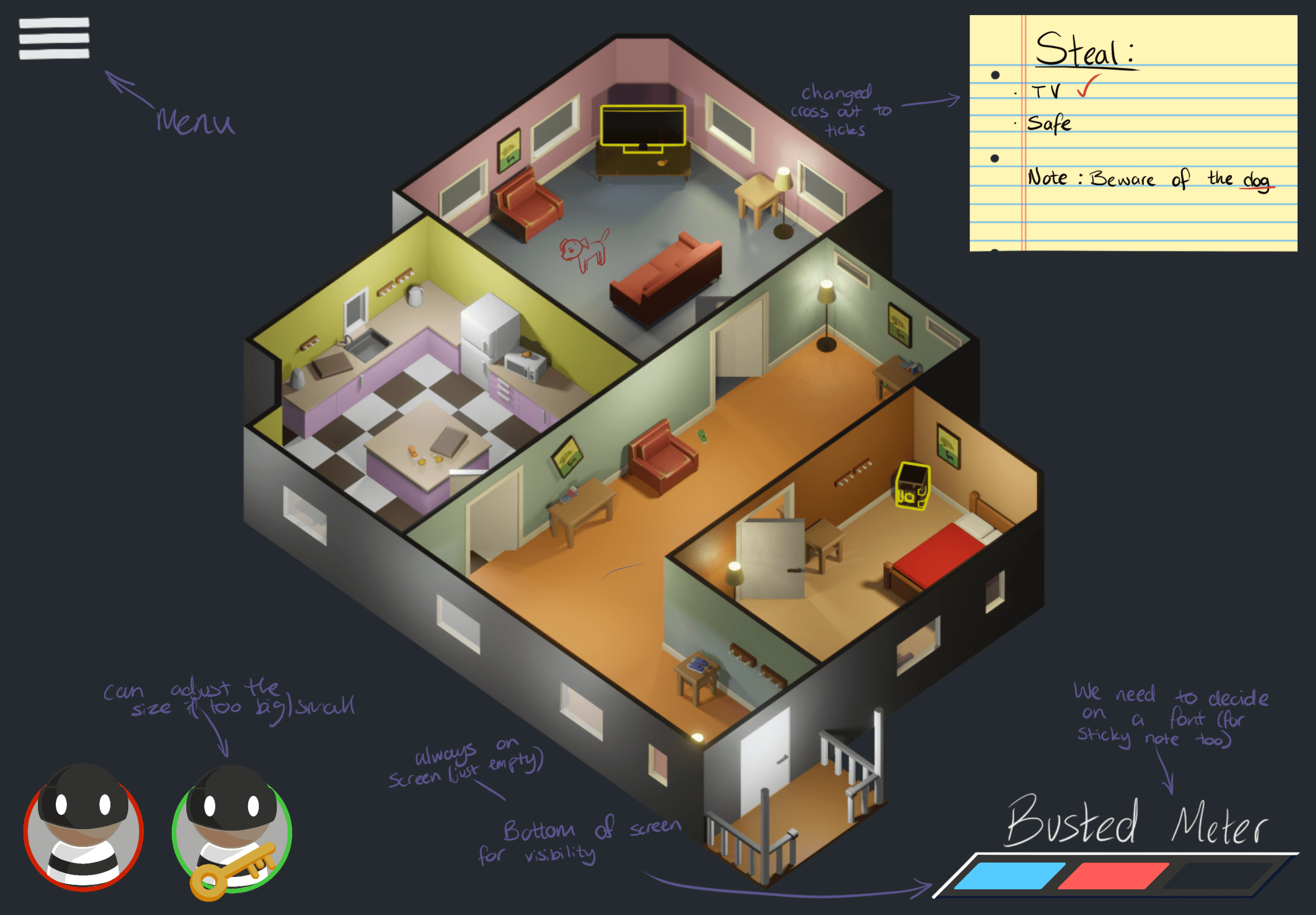
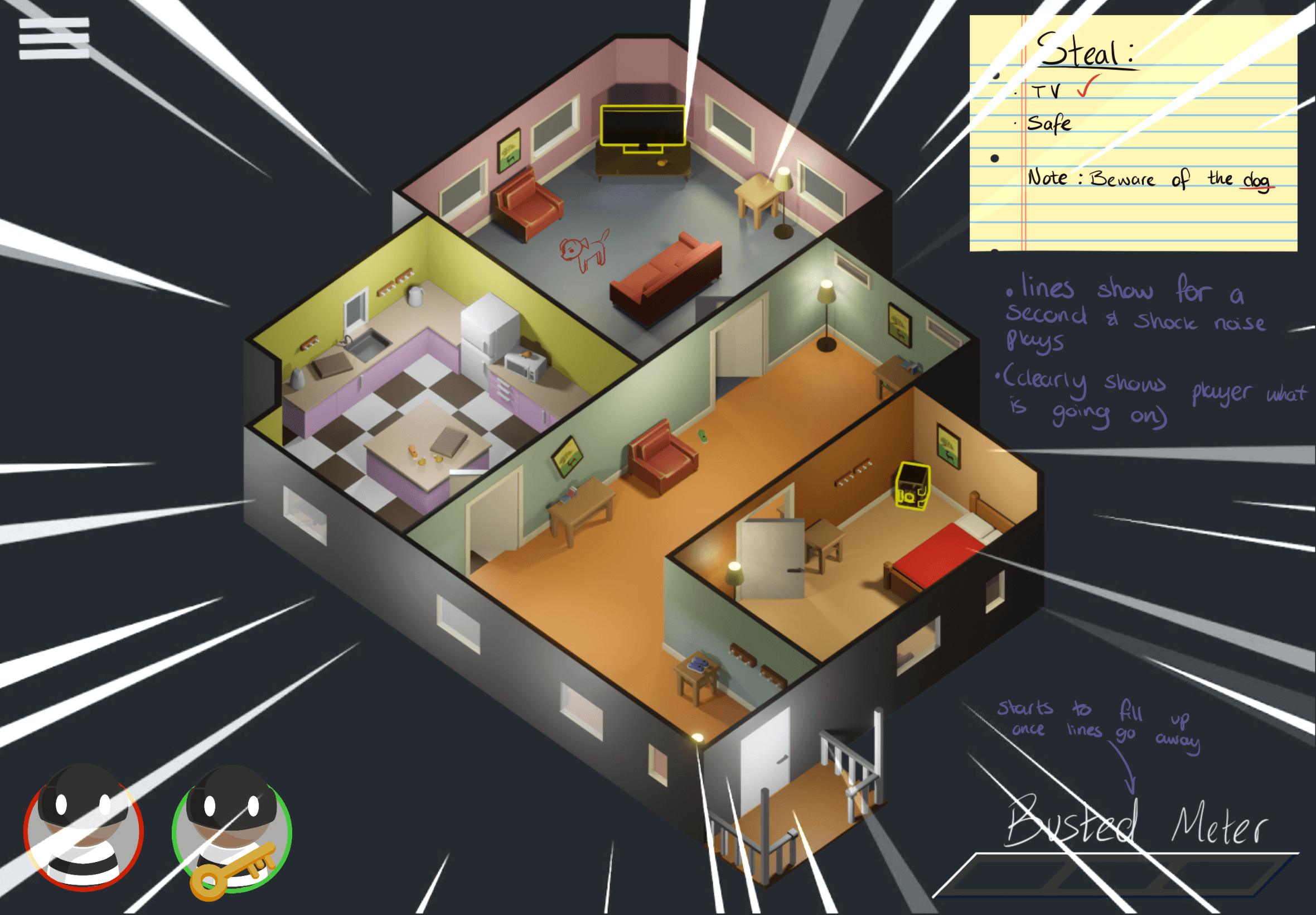
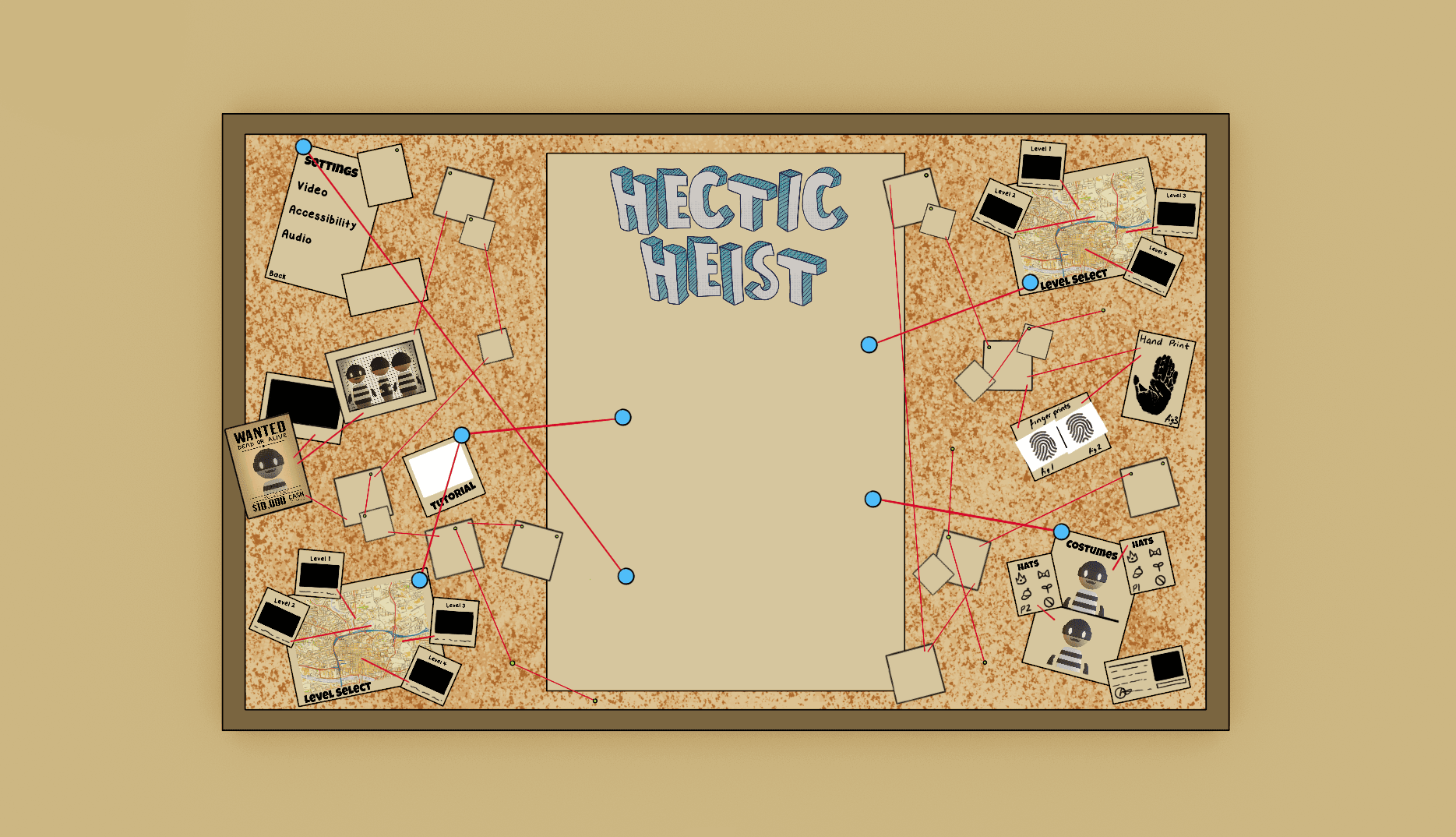
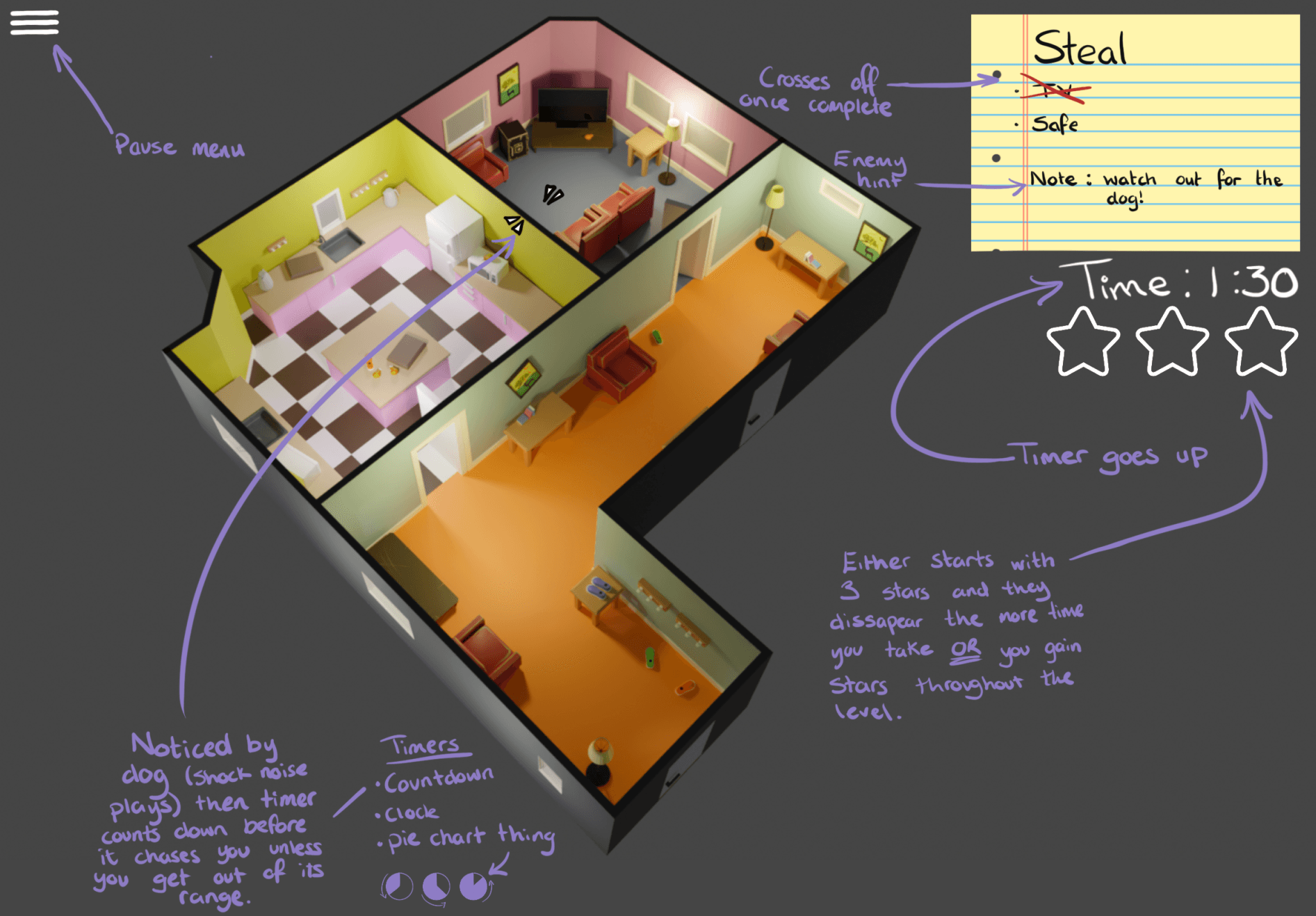
UX decisions based on gameplay flow
The in game UI was kept minimal and to only the essentials. Character speech was implemented for atmosphere, mood, humour, and to highlight collaboration between players.
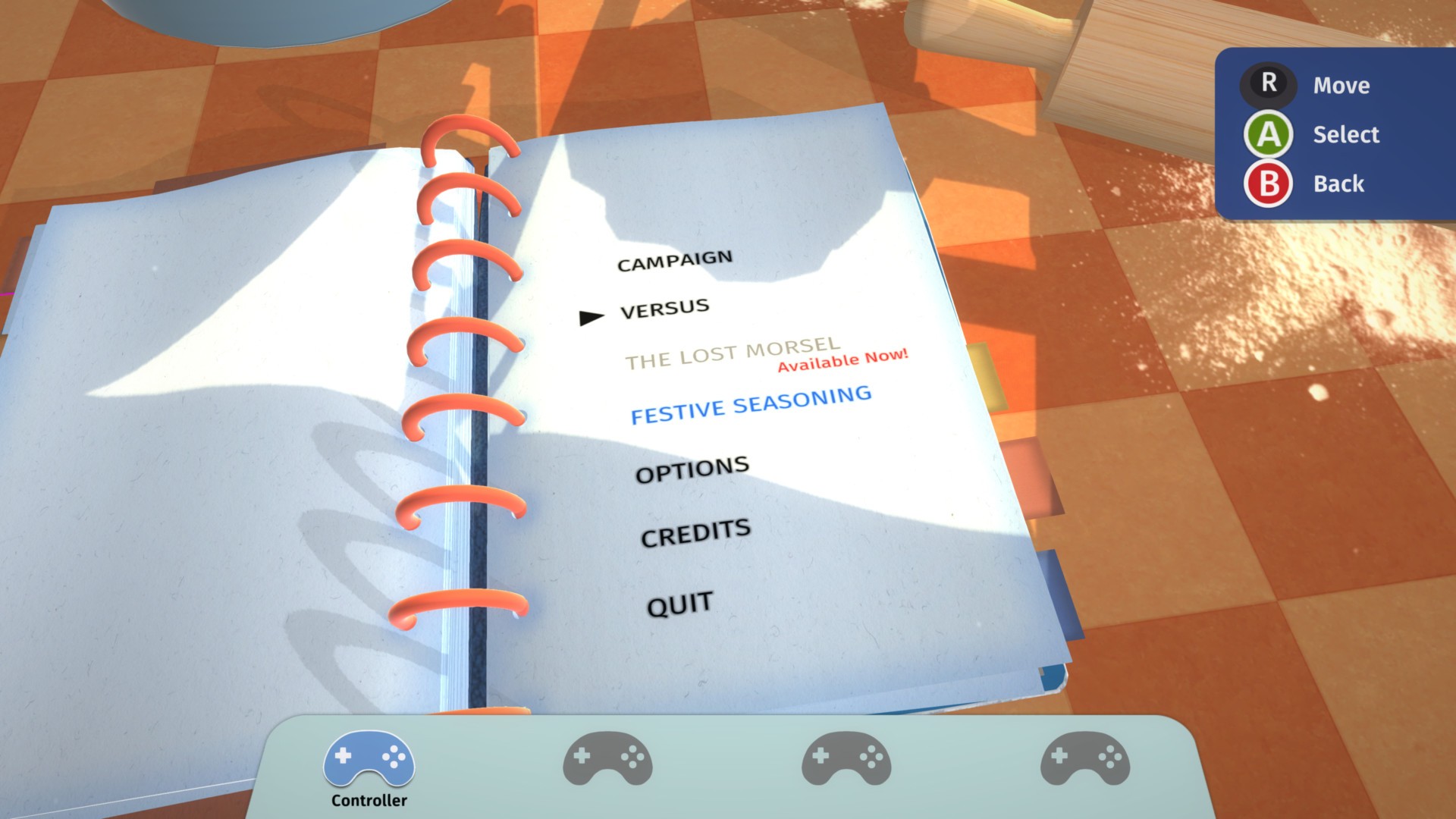
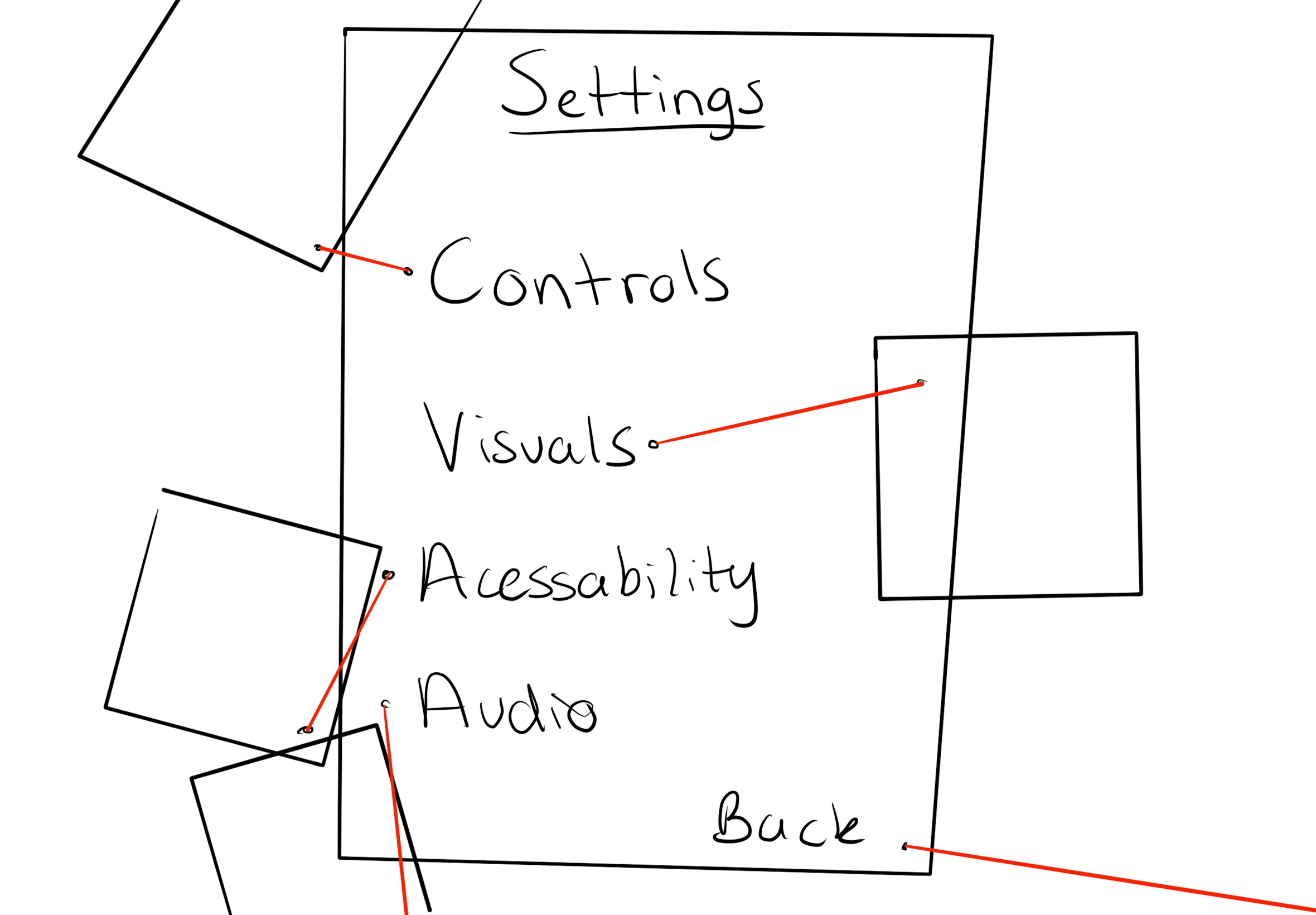
Controls were implemented on the pause screens for ease of use and accessability.
UI was designed to be readable at a distance during couch co-op play and on standard PC setups. The game supports controller and keyboard input.
Reflection
This project strengthened my ability to lead visual direction across multiple disciplines while maintaining a cohesive outcome. It also improved my ability to iterate quickly in response to playtesting and team feedback. Throughout the process, I developed a broad skill set across UI/UX design, 3D modelling, and concept art.
However, given more time I would have employed the Double Diamond framework when designing the UI/UX experience.